
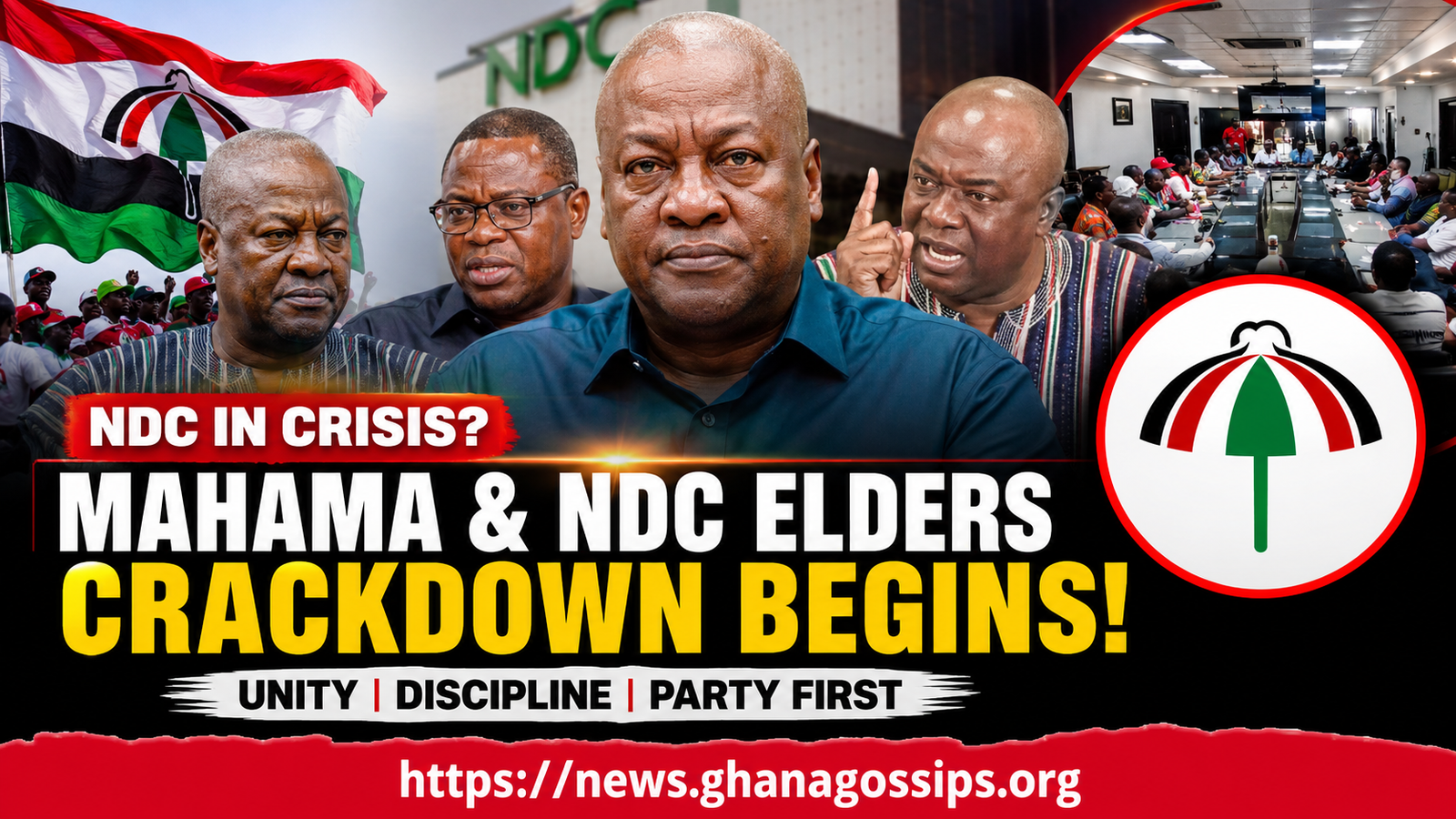
10 Shocking Facts About the Mahama NDC Crackdown
Cabinet Walkout, Premature Campaigns Trigger Mahama and NDC Elders’ Crackdown
A growing controversy within Ghana’s political landscape has emerged following reports of a cabinet walkout and concerns over premature political campaigning. The developments have reportedly prompted a strong response from former President John Dramani Mahama and senior elders of the National Democratic Congress (NDC), who are said to be seeking greater discipline and unity within party ranks.
As speculation continues over future leadership ambitions and internal political strategies, the issue has generated widespread debate among party supporters, political analysts, and the general public. The unfolding situation highlights the challenges political organisations face when balancing internal competition, governance responsibilities, and preparations for future elections.
Cabinet Walkout Sparks Political Debate Within NDC
The focus keyword Cabinet Walkout Sparks Political Debate Within NDC has become one of the most discussed topics in Ghana’s political landscape following reports of internal disagreements and concerns over premature political campaigns. The developments have attracted significant attention from party supporters, political observers, and members of the general public who are closely monitoring events within the National Democratic Congress (NDC). As discussions continue regarding party unity, leadership ambitions, and political discipline, the controversy has opened a broader conversation about the future direction of one of Ghana’s major political parties.
Reports surrounding the issue suggest that concerns have emerged regarding the conduct of some party members and officials. The situation has reportedly prompted senior figures within the NDC to call for greater discipline and adherence to party structures. As Cabinet Walkout Sparks Political Debate Within NDC, questions are being raised about how political organizations manage internal disagreements while maintaining unity and focus on governance responsibilities.
Political analysts note that internal debates are common within large political parties. Different viewpoints, ambitions, and strategic approaches often create disagreements among members. However, the way these disagreements are handled can significantly influence public perception. The fact that Cabinet Walkout Sparks Political Debate Within NDC has generated nationwide attention demonstrates the importance of internal party cohesion in maintaining public confidence and organizational stability.
Former President John Dramani Mahama remains one of the most influential figures within the NDC. Reports indicating that senior party elders and leadership figures are taking steps to address concerns have sparked further discussion about the party’s efforts to maintain discipline and prevent distractions from its broader political objectives. Supporters argue that strong leadership is essential for ensuring that internal disagreements do not undermine party unity or strategic planning.
One of the major issues at the center of the debate involves allegations of premature political campaigning. Political parties typically establish timelines and guidelines governing campaign activities to ensure fairness and order within their ranks. When individuals are perceived as moving ahead of official processes, concerns can arise regarding internal competition and organizational discipline. As Cabinet Walkout Sparks Political Debate Within NDC, many observers believe the issue highlights the importance of clear communication and adherence to party regulations.
The controversy has also generated mixed reactions among party supporters. Some members believe strong intervention is necessary to protect party unity and prevent unnecessary divisions. Others argue that healthy competition and open political discussion should be encouraged within democratic organisations. These differing perspectives reflect the broader debate about balancing freedom of political expression with the need for organizational discipline.
Political commentators have suggested that the situation could have implications for future elections and leadership contests. Internal disputes often attract significant public attention and can influence how voters perceive a party’s readiness to govern. As Cabinet Walkout Sparks Political Debate Within NDC, many analysts are closely watching how party leaders manage the issue and whether the controversy will have lasting political consequences.
The debate has also highlighted the important role played by party elders and senior statesmen in Ghanaian politics. Experienced political figures often act as mediators during periods of tension, helping to resolve disputes and promote unity. Their involvement in addressing concerns within the NDC reflects the value of institutional experience and leadership during challenging moments.
Public interest in the issue remains high because it touches on broader questions about political accountability, leadership, and democratic governance. Citizens expect political organizations to demonstrate transparency, discipline, and effective decision-making. The ongoing discussions provide an opportunity for party leaders to reinforce these principles while addressing concerns raised by supporters and observers.
As Cabinet Walkout Sparks Political Debate Within NDC, attention continues to focus on how the party will navigate internal challenges while maintaining its political objectives. The outcome of these discussions may influence both internal party dynamics and public perceptions in the months ahead. Regardless of differing opinions, many observers agree that maintaining unity and respecting established structures will be critical for the party’s long-term success.
Ultimately, the controversy serves as a reminder that political parties must continuously balance ambition, competition, and organizational discipline. The discussions surrounding Cabinet Walkout Sparks Political Debate Within NDC highlight the complexities of managing a large political movement while preparing for future electoral contests. As events continue to unfold, party supporters and political analysts alike will be watching closely to see how the situation develops and what lessons emerge from the debate.
Internal Links
- https://news.ghanagossips.org/ghana-politics-news/
- https://news.ghanagossips.org/john-mahama-news/
- https://news.ghanagossips.org/ghana-election-updates/
- https://news.ghanagossips.org/ndc-party-news/
- https://news.ghanagossips.org/ghana-breaking-news/
External Authority Links
Mahama Reportedly Moves to Restore Party Discipline
The focus keyword Mahama Reportedly Moves to Restore Party Discipline has become a major topic of discussion within Ghana’s political landscape following reports of internal disagreements and concerns over premature political campaigning within the National Democratic Congress (NDC). As one of the party’s most influential figures, former President John Dramani Mahama is reportedly taking steps to ensure unity, discipline, and respect for established party structures. The developments have generated widespread debate among political observers, party supporters, and members of the public who are closely monitoring the situation.
Reports suggest that concerns have emerged regarding actions by certain party members that some senior figures believe could undermine organizational cohesion. As Mahama Reportedly Moves to Restore Party Discipline, many observers view the effort as an attempt to maintain stability within the party while preventing internal tensions from escalating. Political organizations often face challenges balancing individual ambitions with collective goals, making discipline a critical component of effective leadership.
Supporters of the initiative argue that maintaining order within a political party is essential for long-term success. They believe party members should adhere to official processes and established guidelines when pursuing leadership ambitions or engaging in political activities. The discussion surrounding Mahama Reportedly Moves to Restore Party Discipline reflects broader concerns about how political parties can preserve unity while encouraging healthy competition among members.
John Mahama’s experience as a former President and senior statesman gives him significant influence within the NDC. Many party members continue to view him as a key figure capable of providing direction during periods of uncertainty. As Mahama Reportedly Moves to Restore Party Discipline, supporters argue that strong leadership is necessary to ensure that internal disagreements do not distract from the party’s broader political objectives and responsibilities.
The issue of premature campaigning has become one of the central concerns in the debate. Political parties typically establish timelines and procedures governing campaign activities to ensure fairness and organizational order. When individuals are perceived as acting outside these structures, tensions can arise regarding leadership ambitions and internal competition. The reports that Mahama Reportedly Moves to Restore Party Discipline have therefore been interpreted by many as a response to concerns about maintaining a level playing field within the party.
Political analysts note that internal disputes are not uncommon within major political organizations. Differences in opinion, strategy, and leadership aspirations frequently create debates among members. However, the way these disagreements are managed can significantly influence public confidence. As Mahama Reportedly Moves to Restore Party Discipline, analysts are closely watching how party leaders address concerns while maintaining unity and transparency.
Senior NDC elders have also reportedly expressed concerns about the importance of respecting party structures and avoiding actions that could create unnecessary divisions. Their involvement highlights the role experienced political figures often play in preserving organizational stability during challenging periods. Many supporters believe the combined efforts of Mahama and party elders could help strengthen internal cohesion and reinforce the party’s core values.
Public reaction to the developments has been mixed. Some observers believe decisive action is necessary to protect party unity and prevent distractions ahead of future elections. Others argue that open political discussion and competition are important aspects of democratic organizations. These differing viewpoints have contributed to ongoing discussions about the balance between discipline and political freedom within party structures.
The controversy has also attracted attention because of its potential implications for future electoral contests. Political parties are often judged not only by their policies but also by their ability to manage internal affairs effectively. As Mahama Reportedly Moves to Restore Party Discipline, many political commentators suggest that the outcome could influence public perceptions of the NDC’s readiness for future political challenges.
Beyond the immediate controversy, the situation highlights the broader importance of leadership, communication, and organizational management within political parties. Effective leaders must often navigate competing interests while maintaining focus on shared objectives. The discussions surrounding party discipline therefore offer valuable insights into the challenges faced by large political movements operating in competitive democratic environments.
Ultimately, Mahama Reportedly Moves to Restore Party Discipline because party unity remains a critical factor in achieving long-term political success. While debates and disagreements are natural within democratic organizations, maintaining respect for established processes is often viewed as essential for stability and effectiveness. As the situation continues to develop, supporters and observers alike will be watching closely to see how the party addresses internal concerns while preparing for future political opportunities.
Internal Links
- https://news.ghanagossips.org/cabinet-walkout-sparks-political-debate-within-ndc/
- https://news.ghanagossips.org/john-mahama-news/
- https://news.ghanagossips.org/ghana-politics-news/
- https://news.ghanagossips.org/ndc-party-news/
- https://news.ghanagossips.org/ghana-election-updates/
External Authority Links
NDC Elders Raise Concerns Over Premature Campaign Activities
The focus keyword NDC Elders Raise Concerns Over Premature Campaign Activities has become a major topic of discussion within Ghana’s political environment as senior figures within the National Democratic Congress (NDC) reportedly seek to address growing concerns about early political maneuvering. The developments come at a time when party unity, discipline, and strategic planning remain critical priorities. According to political observers, the issue has generated significant interest because it touches on the balance between leadership ambitions and adherence to established party structures.
As NDC Elders Raise Concerns Over Premature Campaign Activities, many party supporters believe the leadership is attempting to ensure that official procedures are respected by all members. Senior party figures have reportedly emphasized the need for discipline and patience, arguing that political campaigns should follow approved timelines and guidelines. The concern is that activities perceived as premature could create divisions within the party and distract attention from broader political objectives.
The debate has gained momentum following reports of increased political activity among individuals believed to be positioning themselves for future leadership opportunities. While ambition is a natural part of politics, party elders appear determined to ensure that competition remains orderly and consistent with party rules. Recent discussions on https://news.ghanagossips.org/cabinet-walkout-sparks-political-debate-within-ndc/ have highlighted how internal political developments can quickly become national conversations when they involve major political organizations.
Many political analysts believe the concerns being raised reflect a desire to protect party cohesion ahead of future elections. Internal unity is often viewed as one of the most important factors contributing to electoral success. Reports published through political coverage on https://news.ghanagossips.org/ghana-politics-news/ continue to show how leadership disputes and internal disagreements can influence public perception of political parties. As NDC Elders Raise Concerns Over Premature Campaign Activities, party leaders are reportedly working to prevent unnecessary tensions from affecting the organization’s long-term goals.
The involvement of senior party elders has added another dimension to the discussion. Experienced political figures often serve as custodians of party traditions and values, helping to guide younger members through periods of uncertainty. Their reported intervention demonstrates the importance many political organizations place on maintaining order and respecting institutional structures. Coverage relating to internal party developments on https://news.ghanagossips.org/ndc-party-news/ suggests that many supporters welcome efforts aimed at preserving stability within the organization.
Former President John Dramani Mahama remains a central figure in discussions about party direction and leadership. His influence within the NDC continues to shape conversations surrounding discipline, governance, and political strategy. Analysts following developments through https://news.ghanagossips.org/john-mahama-news/ note that maintaining unity among party members could be critical as Ghana’s political landscape continues to evolve.
The issue has also sparked broader debates about political competition and democratic participation. Some observers argue that aspiring leaders should be allowed to engage supporters and communicate their visions freely. Others maintain that premature campaigning can create confusion, undermine established processes, and encourage factional divisions. As NDC Elders Raise Concerns Over Premature Campaign Activities, these competing viewpoints continue to fuel public discussion.
Political commentators suggest that the situation offers an opportunity for the NDC to reinforce its internal governance structures while demonstrating its commitment to transparency and accountability. The party’s response could influence how supporters and undecided voters perceive its readiness for future political contests. Electoral developments monitored by institutions such as the Electoral Commission of Ghana and legislative activities covered by the Parliament of Ghana frequently highlight the importance of strong organizational leadership within democratic systems.
As discussions continue, many supporters hope the party can address concerns constructively while maintaining unity and focus. The ability to manage internal disagreements effectively is often viewed as a sign of political maturity and organizational strength. The controversy surrounding early campaign activities therefore represents both a challenge and an opportunity for the NDC leadership.
Ultimately, NDC Elders Raise Concerns Over Premature Campaign Activities because party leaders recognize the importance of preserving discipline, fairness, and cohesion. While leadership ambitions and political competition are expected within democratic organizations, many observers believe respecting established procedures remains essential for maintaining credibility and stability. How the party handles these concerns in the coming months may play an important role in shaping its future direction and public image.
Internal Party Unity Becomes a Major Focus
The focus keyword Internal Party Unity Becomes a Major Focus has emerged as one of the most important themes within ongoing discussions surrounding recent developments in the National Democratic Congress (NDC). Following reports of a cabinet walkout and concerns about premature political campaigning, party leaders and senior elders are reportedly placing greater emphasis on maintaining cohesion and discipline among members. Political observers believe that preserving unity has become a strategic priority as the party seeks to strengthen its position ahead of future political contests.
As Internal Party Unity Becomes a Major Focus, many supporters argue that political organizations function most effectively when members work toward common objectives rather than allowing internal disagreements to dominate public discourse. Unity is often viewed as a critical factor in building public confidence, maintaining organizational stability, and ensuring that party policies and strategies are communicated consistently. Recent political discussions featured on https://news.ghanagossips.org/cabinet-walkout-sparks-political-debate-within-ndc/ have highlighted the growing attention being paid to internal cohesion within the party.
Political analysts note that large political organizations frequently experience internal competition, particularly when discussions about future leadership and electoral opportunities begin to intensify. While competition can encourage innovation and engagement, it can also create divisions if not managed effectively. This is one reason why Internal Party Unity Becomes a Major Focus for party leaders who are seeking to balance individual ambitions with collective goals. Coverage on https://news.ghanagossips.org/ghana-politics-news/ continues to examine how political parties across Ghana navigate these challenges.
Reports suggest that senior party elders are encouraging members to prioritize collaboration and respect for established structures. Experienced political figures often play a key role in resolving disagreements and promoting dialogue during periods of tension. Their involvement demonstrates the importance of institutional leadership in preserving organizational stability. Discussions featured on https://news.ghanagossips.org/ndc-party-news/ indicate that many supporters view the efforts of party elders as essential for maintaining long-term unity.
Former President John Dramani Mahama remains a significant figure in conversations about party direction and leadership. His influence within the NDC has made him a central voice in efforts aimed at strengthening cohesion among members. As Internal Party Unity Becomes a Major Focus, political observers continue to monitor developments reported through https://news.ghanagossips.org/john-mahama-news/ to better understand how party leadership intends to address emerging concerns.
The issue of premature campaigning has added complexity to the situation. Some party members believe leadership ambitions should be pursued through established channels and according to official timelines. Others argue that political engagement and discussions about future leadership are natural aspects of democratic organizations. Regardless of differing opinions, many observers agree that maintaining unity remains essential if the party hopes to achieve its broader political objectives.
Public perception is another important factor influencing the current focus on unity. Political parties are often evaluated not only on their policy proposals but also on their ability to manage internal affairs effectively. As Internal Party Unity Becomes a Major Focus, many analysts believe that demonstrating discipline and organizational strength could enhance the party’s credibility among voters. National political developments monitored by the Electoral Commission of Ghana frequently underscore the importance of stable and well-organized political institutions in democratic systems.
The role of communication has also become increasingly important. Clear messaging from party leaders can help reduce misunderstandings, address concerns, and reinforce shared goals. Effective communication strategies often play a significant role in preserving unity during periods of uncertainty. Legislative and governance issues reported by the Parliament of Ghana continue to highlight how leadership and communication influence political outcomes.
Many supporters believe the current situation presents an opportunity for the NDC to strengthen its internal structures and reinforce the values that unite its members. By encouraging dialogue, respecting party processes, and focusing on collective objectives, leaders can help ensure that disagreements do not evolve into deeper divisions. These efforts may ultimately contribute to greater organizational resilience and preparedness for future political challenges.
As Internal Party Unity Becomes a Major Focus, the attention being given to discipline, communication, and collaboration reflects the broader importance of unity within democratic organizations. Political parties that successfully manage internal differences are often better positioned to pursue their objectives and maintain public confidence.
Ultimately, Internal Party Unity Becomes a Major Focus because party leaders recognize that cohesion is essential for long-term success. While disagreements and competition are natural components of political life, many observers believe that maintaining a shared commitment to organizational goals remains the key to stability, effectiveness, and future electoral success.
Political Ambitions and Early Campaigning Under Scrutiny
The focus keyword Political Ambitions and Early Campaigning Under Scrutiny has become a central issue in recent discussions surrounding developments within the National Democratic Congress (NDC). Reports of premature campaign activities and growing political maneuvering have sparked conversations among party supporters, political analysts, and the wider public. As Ghana’s political environment continues to evolve, questions are being raised about how leadership ambitions should be managed while maintaining discipline, unity, and respect for party structures.
As Political Ambitions and Early Campaigning Under Scrutiny, many observers believe the situation highlights the challenges political organizations face when balancing democratic competition with organizational order. Leadership ambitions are a natural part of politics, and aspiring leaders often seek opportunities to build support and communicate their visions. However, concerns arise when campaign-related activities are perceived as occurring before official timelines or outside approved party procedures.
The issue has gained attention following reports that some party elders are concerned about activities that could create unnecessary divisions within the organization. According to discussions featured on https://news.ghanagossips.org/cabinet-walkout-sparks-political-debate-within-ndc/, party leaders are reportedly working to ensure that internal political competition remains constructive and does not undermine broader organizational goals. Many supporters believe maintaining unity should remain a priority as the party prepares for future political contests.
Political analysts argue that strong internal governance is essential for preserving public confidence. When leadership ambitions appear to conflict with party discipline, voters often pay close attention to how organizations respond. Coverage on https://news.ghanagossips.org/ghana-politics-news/ continues to examine how major political parties manage internal disagreements while maintaining focus on policy development and electoral strategy. As Political Ambitions and Early Campaigning Under Scrutiny, the debate has become a broader discussion about accountability and organizational leadership.
Former President John Dramani Mahama remains an influential figure within the NDC, and his role in discussions about party unity and discipline continues to attract attention. Political observers following developments on https://news.ghanagossips.org/john-mahama-news/ note that experienced leaders often play a critical role in guiding organizations through periods of uncertainty. Their ability to encourage dialogue and reinforce party values can be essential for maintaining stability.
Supporters of stricter internal regulations argue that official timelines exist to ensure fairness among all potential candidates. By following established procedures, political parties can reduce tensions and create equal opportunities for aspiring leaders. Discussions on https://news.ghanagossips.org/ndc-party-news/ suggest that many party members view adherence to rules as a necessary component of organizational discipline and democratic credibility.
At the same time, others argue that political engagement should not be discouraged entirely. They believe potential leaders should be able to communicate with supporters and discuss ideas that contribute to policy development and public debate. As Political Ambitions and Early Campaigning Under Scrutiny, these differing perspectives have generated lively discussions about the best approach to balancing political freedom with organizational discipline.
The controversy also has implications for future elections. Political parties are often judged by their ability to manage internal affairs effectively while presenting a united front to the public. Analysts suggest that how the NDC addresses current concerns could influence perceptions of its readiness for future political challenges. Electoral processes monitored by the Electoral Commission of Ghana consistently emphasize the importance of transparency, fairness, and adherence to democratic principles.
Political commentators have noted that internal competition does not necessarily weaken a party if it is managed responsibly. In many cases, constructive debate can strengthen policy development and encourage greater participation among members. However, when competition becomes divisive, it can create challenges that distract from broader organizational objectives. Governance discussions covered by the Parliament of Ghana often illustrate the importance of balancing differing viewpoints within democratic institutions.
As Political Ambitions and Early Campaigning Under Scrutiny, many supporters hope party leaders can find a path that encourages healthy political engagement while preserving unity and respect for established structures. The outcome of these discussions could shape the party’s internal dynamics and influence public perceptions in the months ahead.
Ultimately, Political Ambitions and Early Campaigning Under Scrutiny because leadership aspirations, party discipline, and democratic participation are all important components of political life. The challenge lies in ensuring that these elements work together in a way that strengthens the organization rather than creating divisions. How the NDC navigates this issue may offer valuable lessons for political parties across Ghana’s democratic landscape.
Senior Party Figures Call for Respect for Party Structures
The focus keyword Senior Party Figures Call for Respect for Party Structures has become increasingly relevant amid ongoing discussions surrounding internal developments within the National Democratic Congress (NDC). Reports of cabinet disagreements, early campaign activities, and growing political ambitions have prompted senior members of the party to emphasize the importance of discipline, unity, and adherence to established procedures. Many political observers believe that respect for party structures is essential for maintaining stability and ensuring that political organizations function effectively.
As Senior Party Figures Call for Respect for Party Structures, experienced leaders within the NDC are reportedly urging members to prioritize organizational principles over personal interests. Political parties often establish constitutions, regulations, and leadership frameworks to guide decision-making and create fair opportunities for all members. When these structures are respected, parties are generally better positioned to manage internal competition and avoid unnecessary conflicts.
The debate gained momentum following reports covered on https://news.ghanagossips.org/cabinet-walkout-sparks-political-debate-within-ndc/, where concerns were raised about activities perceived by some leaders as inconsistent with party guidelines. Supporters of stricter enforcement argue that party rules exist to maintain order and ensure that all members operate under the same standards. They believe that allowing exceptions could weaken institutional authority and create divisions within the organization.
Political analysts note that successful political parties often rely on strong internal structures to coordinate activities, resolve disputes, and prepare for elections. Discussions featured on https://news.ghanagossips.org/ghana-politics-news/ suggest that organizational discipline remains a key factor in building public trust and maintaining credibility. As Senior Party Figures Call for Respect for Party Structures, many observers view the current situation as a test of the party’s ability to balance internal democracy with institutional stability.
Former President John Dramani Mahama’s influence continues to shape conversations about party unity and governance. Reports highlighted through https://news.ghanagossips.org/john-mahama-news/ indicate that experienced leadership remains central to efforts aimed at strengthening cohesion and reinforcing party values. Many supporters believe senior leaders have a responsibility to guide members and ensure that political ambitions do not overshadow collective objectives.
The issue also raises broader questions about leadership succession and political competition. Ambitious individuals naturally seek opportunities to advance within political organizations, but party elders argue that these ambitions should be pursued through recognized channels. According to discussions published on https://news.ghanagossips.org/ndc-party-news/, many members support the view that respecting established processes helps create a fair and transparent environment for all potential candidates.
Public perception remains an important consideration. Voters often evaluate political parties not only based on policies but also on their ability to manage internal affairs effectively. As Senior Party Figures Call for Respect for Party Structures, many analysts suggest that demonstrating discipline and organizational maturity could strengthen the party’s image ahead of future elections. Political processes overseen by the Electoral Commission of Ghana frequently emphasize fairness, transparency, and adherence to democratic principles.
At the same time, some observers caution against suppressing open discussion and healthy debate within political organizations. They argue that internal democracy is strengthened when members are encouraged to express differing viewpoints respectfully. The challenge lies in ensuring that debates occur within the framework of established rules rather than outside them. Governance and legislative developments reported by the Parliament of Ghana often illustrate how institutions function most effectively when procedures are respected by all stakeholders.
Many supporters believe the current discussions provide an opportunity for the NDC to reinforce its internal governance systems and demonstrate a commitment to accountability. By encouraging dialogue while maintaining respect for organizational structures, leaders can help ensure that disagreements remain constructive rather than divisive. This approach may contribute to greater unity and long-term stability within the party.
As Senior Party Figures Call for Respect for Party Structures, attention continues to focus on how party leaders and members respond to emerging challenges. The outcome could influence both internal dynamics and public perceptions, making the issue particularly significant in Ghana’s evolving political landscape.
Ultimately, Senior Party Figures Call for Respect for Party Structures because strong institutions remain the foundation of effective political organizations. While leadership ambitions and policy debates are natural aspects of democratic politics, many observers believe that lasting success depends on a shared commitment to rules, fairness, and organizational discipline. By upholding these principles, political parties can strengthen their credibility and better serve their supporters and the broader public.
How the Controversy Could Affect Future Elections
The focus keyword How the Controversy Could Affect Future Elections has become an important subject in Ghana’s political discussions as observers assess the possible implications of recent developments within the National Democratic Congress (NDC). Reports of internal disagreements, concerns about premature campaign activities, and calls for greater party discipline have sparked widespread debate about how such issues might influence electoral prospects. Political analysts believe that the manner in which the party handles these challenges could play a significant role in shaping voter perceptions ahead of future elections.
As How the Controversy Could Affect Future Elections continues to dominate political conversations, many observers argue that internal unity remains one of the most critical factors for electoral success. Political parties that present a united front often inspire greater confidence among supporters and undecided voters. Conversely, prolonged internal disputes can create uncertainty and shift public attention away from policy proposals and governance issues. Recent reports published on https://news.ghanagossips.org/cabinet-walkout-sparks-political-debate-within-ndc/ illustrate how internal party matters can quickly become national headlines with broader political consequences.
Political strategists frequently emphasize the importance of public perception during election cycles. Voters often evaluate not only the policies of political parties but also their ability to manage internal affairs effectively. Coverage on https://news.ghanagossips.org/ghana-politics-news/ suggests that organizational discipline and leadership stability can significantly influence how political parties are viewed by the electorate. As How the Controversy Could Affect Future Elections, many analysts believe the NDC’s response to current concerns may shape public confidence in the party’s readiness for future governance responsibilities.
The issue of premature campaigning has added another dimension to the debate. Some party members and observers believe that leadership ambitions should be expressed within official frameworks to ensure fairness and transparency. Others argue that political competition is a natural aspect of democratic organizations. Regardless of perspective, the controversy has drawn attention to the importance of balancing individual aspirations with collective party objectives. Discussions featured on https://news.ghanagossips.org/ndc-party-news/ continue to explore how internal competition can influence political stability.
Former President John Dramani Mahama remains a central figure in conversations surrounding party unity and strategic direction. His influence within the NDC has made his reported efforts to reinforce discipline particularly significant. Analysts following developments through https://news.ghanagossips.org/john-mahama-news/ suggest that strong leadership could help mitigate the potential electoral impact of internal disagreements. Effective leadership often plays a crucial role in restoring confidence during periods of uncertainty.
Another factor contributing to How the Controversy Could Affect Future Elections is media coverage. Political controversies often receive extensive attention from news organizations, social media platforms, and commentators. As a result, issues that begin as internal discussions can quickly become part of the national political conversation. This increased visibility means that party leaders must carefully manage both the substance of disputes and the public messaging surrounding them.
Political observers also note that controversies can sometimes present opportunities for reform and organizational improvement. When handled constructively, internal challenges may encourage parties to strengthen governance structures, improve communication, and clarify policies. In this sense, the current debate could ultimately help the NDC reinforce its institutional framework and emerge stronger. Electoral developments overseen by the Electoral Commission of Ghana consistently highlight the importance of transparency and accountability within democratic systems.
At the same time, prolonged disagreements could create risks if they lead to factional divisions or distract from broader political priorities. Voters generally expect political parties to focus on addressing national issues and presenting solutions to public concerns. Governance discussions covered by the Parliament of Ghana frequently emphasize the need for political organizations to maintain focus on policy and public service rather than internal conflicts.
Many supporters believe that unity, discipline, and effective communication will be essential as the party prepares for future electoral contests. By addressing concerns promptly and reinforcing respect for established structures, leaders may be able to minimize potential damage and strengthen public confidence. The ability to manage disagreements constructively often serves as an indicator of political maturity and organizational resilience.
Ultimately, How the Controversy Could Affect Future Elections depends largely on how party leaders and members respond to the current situation. While internal debates are a normal part of democratic politics, the long-term impact will likely be determined by whether the controversy leads to greater unity and institutional strength or creates deeper divisions. As Ghana’s political landscape continues to evolve, many observers will be watching closely to see how these developments shape future electoral outcomes.
Reactions From Party Members and Political Observers
The focus keyword Reactions From Party Members and Political Observers has become a significant aspect of the ongoing discussions surrounding recent developments within the National Democratic Congress (NDC). Reports of a cabinet walkout, concerns over premature campaign activities, and calls for greater party discipline have generated widespread responses from party supporters, political commentators, analysts, and members of the general public. As the debate continues, the variety of opinions being expressed highlights the complexity of the issues facing the party.
As Reactions From Party Members and Political Observers continue to emerge, many NDC supporters have expressed concern about the potential impact of internal disagreements on party unity. Some members believe that strong intervention by party leadership is necessary to maintain discipline and prevent divisions from affecting future political objectives. Others argue that open discussions and healthy competition are important elements of democratic organizations and should not be discouraged. Recent coverage on https://news.ghanagossips.org/cabinet-walkout-sparks-political-debate-within-ndc/ has captured the growing interest surrounding these developments.
Political observers have offered differing interpretations of the controversy. Some analysts view the situation as a normal part of political life, noting that large organizations often experience internal disagreements as members pursue leadership opportunities and advocate for different strategies. Reports featured on https://news.ghanagossips.org/ghana-politics-news/ suggest that internal debates can sometimes strengthen political parties by encouraging reflection, policy development, and institutional reform. From this perspective, the current controversy may present opportunities for growth if managed effectively.
At the same time, other commentators have warned that prolonged disputes could create challenges for the party if they are not addressed promptly. Public confidence in political organizations often depends on perceptions of unity, stability, and effective leadership. As Reactions From Party Members and Political Observers continue to shape public discourse, many analysts emphasize the importance of demonstrating organizational discipline and maintaining focus on broader political goals.
Within the party itself, reactions have reflected a range of viewpoints. Some members have publicly supported efforts by senior leaders to reinforce party structures and ensure adherence to official procedures. Others have expressed concerns that excessive restrictions on political activity could discourage engagement among aspiring leaders. Discussions published on https://news.ghanagossips.org/ndc-party-news/ reveal the diversity of opinions that exist within the organization regarding how best to balance competition with discipline.
Former President John Dramani Mahama’s role in the situation has also attracted considerable attention. Supporters following updates on https://news.ghanagossips.org/john-mahama-news/ have highlighted his influence in promoting unity and providing leadership during periods of uncertainty. Many party members view experienced figures such as Mahama as essential in guiding discussions and helping to resolve disagreements constructively.
Political observers outside the party have focused on the broader implications of the controversy for Ghana’s political environment. They note that internal party dynamics often provide insight into how political organizations manage leadership transitions, policy debates, and organizational challenges. As Reactions From Party Members and Political Observers continue to evolve, many analysts are using the situation as a case study in political governance and institutional resilience.
The media has played an important role in amplifying reactions from various stakeholders. News reports, opinion pieces, and social media discussions have ensured that the issue remains prominent within the national conversation. This visibility has increased public awareness of internal party developments while also creating additional pressure on leaders to address concerns effectively. Political developments monitored by the Electoral Commission of Ghana often demonstrate how public scrutiny can influence political decision-making.
Many observers believe the controversy highlights the importance of communication and transparency within political organizations. When leaders clearly explain their decisions and engage with members openly, it becomes easier to manage disagreements and maintain trust. Governance discussions regularly covered by the Parliament of Ghana emphasize similar principles in broader democratic institutions.
As Reactions From Party Members and Political Observers continue to emerge, it is clear that the debate extends beyond a single incident. The discussions touch on larger themes such as leadership, accountability, democracy, and organizational effectiveness. These issues are relevant not only to the NDC but also to political parties across Ghana’s democratic system.
Ultimately, Reactions From Party Members and Political Observers reflect the diverse perspectives that naturally arise during periods of political uncertainty. While opinions differ regarding the best course of action, many stakeholders agree that maintaining unity, respecting established procedures, and encouraging constructive dialogue will be essential for navigating the challenges ahead. The manner in which the party responds to these reactions may significantly influence both its internal dynamics and its future political prospects.
Leadership Challenges Facing Major Political Parties
The focus keyword Leadership Challenges Facing Major Political Parties has become increasingly relevant as political organizations across Ghana continue to navigate complex internal and external pressures. Recent developments within the National Democratic Congress (NDC), including debates over party discipline, premature campaigning, and internal unity, have reignited discussions about the broader challenges facing major political parties. As political competition intensifies and public expectations continue to rise, party leaders are being called upon to demonstrate effective governance, strategic vision, and organizational stability.
One of the most significant aspects of Leadership Challenges Facing Major Political Parties is balancing individual ambitions with collective party goals. Political organizations naturally attract individuals who aspire to leadership positions and seek opportunities to influence policy and decision-making. While competition can strengthen democratic participation, it can also create tensions if not managed effectively. Recent reports featured on https://news.ghanagossips.org/cabinet-walkout-sparks-political-debate-within-ndc/ demonstrate how internal disagreements can quickly become major political stories when leadership issues are involved.
Another challenge involves maintaining unity within increasingly diverse political organizations. Large parties often consist of members with different priorities, ideologies, and regional interests. Bringing these groups together under a common vision requires strong leadership and effective communication. Coverage on https://news.ghanagossips.org/ghana-politics-news/ frequently highlights how political parties must continuously work to preserve cohesion while encouraging open dialogue among members. As Leadership Challenges Facing Major Political Parties continue to evolve, organizational unity remains a central concern.
Political parties must also adapt to changing voter expectations. Citizens increasingly demand transparency, accountability, and practical solutions to national challenges. Leaders who fail to address these expectations risk losing public confidence. Discussions published on https://news.ghanagossips.org/ghana-election-updates/ suggest that voters are paying closer attention not only to policies but also to how political parties manage their internal affairs and respond to public concerns.
The role of experienced leaders has become particularly important during periods of uncertainty. Former President John Dramani Mahama, for example, continues to influence conversations about leadership, party discipline, and strategic direction within the NDC. Updates available on https://news.ghanagossips.org/john-mahama-news/ illustrate how established political figures often play a crucial role in resolving disputes and guiding organizations through difficult periods. Their experience can help maintain stability while preparing parties for future challenges.
Another factor contributing to Leadership Challenges Facing Major Political Parties is the growing influence of digital media and public scrutiny. Social media platforms allow information, opinions, and political debates to spread rapidly, increasing pressure on party leaders to respond quickly and effectively. Internal disagreements that might once have remained private can now become national discussions within hours. This new environment requires leaders to be more proactive in communication and crisis management.
Political observers also point to succession planning as a recurring challenge. Preparing the next generation of leaders while maintaining respect for experienced figures is often a delicate process. Discussions featured on https://news.ghanagossips.org/ndc-party-news/ reveal how leadership transitions can create both opportunities and tensions within political organizations. Successfully managing these transitions is essential for long-term stability and growth.
The issue of party discipline remains another important consideration. Political parties rely on established rules and structures to coordinate activities and maintain order. When members are perceived as disregarding these frameworks, leadership faces the difficult task of enforcing discipline while preserving unity. Electoral processes supervised by the Electoral Commission of Ghana consistently emphasize the importance of fairness, transparency, and adherence to democratic principles.
At the national level, political parties must also balance governance responsibilities with electoral ambitions. Leaders are expected to focus on national development while simultaneously preparing for future elections. This dual responsibility often creates pressure and requires careful strategic planning. Legislative activities reported by the Parliament of Ghana frequently demonstrate how political leadership influences policy outcomes and public trust.
As Leadership Challenges Facing Major Political Parties continue to shape Ghana’s political landscape, many analysts believe that adaptability, communication, and institutional strength will become increasingly important. Political organizations that successfully address internal challenges while maintaining focus on public service are often better positioned to achieve long-term success.
Ultimately, Leadership Challenges Facing Major Political Parties reflect the realities of governing complex organizations in a dynamic democratic environment. Whether dealing with internal competition, public expectations, leadership transitions, or organizational discipline, political leaders must continuously adapt to changing circumstances. The ability to navigate these challenges effectively will likely play a decisive role in shaping the future of Ghana’s major political parties and the country’s broader democratic development.
What the Mahama and NDC Elders’ Crackdown Means Going Forward
The focus keyword What the Mahama and NDC Elders’ Crackdown Means Going Forward has become a central topic of discussion following reports of internal tensions, concerns over premature political campaigning, and efforts by senior party figures to reinforce discipline within the National Democratic Congress (NDC). As political observers continue to analyze the situation, many believe the developments could have important implications for the party’s future direction, internal stability, and electoral prospects.
As What the Mahama and NDC Elders’ Crackdown Means Going Forward continues to generate debate, one of the primary objectives appears to be strengthening party unity and ensuring that all members operate within established structures. Political organizations often face challenges balancing leadership ambitions with organizational discipline. By emphasizing respect for party processes, senior leaders are seeking to create an environment where competition remains constructive rather than divisive.
The controversy has attracted widespread attention because it highlights broader questions about governance, accountability, and leadership within political parties. Reports featured on https://news.ghanagossips.org/cabinet-walkout-sparks-political-debate-within-ndc/ suggest that many supporters view the crackdown as an effort to prevent internal disagreements from undermining the party’s long-term objectives. Maintaining unity is frequently regarded as a key factor in preparing for future elections and preserving public confidence.
Former President John Dramani Mahama’s involvement has added significant weight to the discussion. As one of the most influential figures within the NDC, his reported efforts to reinforce discipline are being closely watched by both supporters and political analysts. Coverage available on https://news.ghanagossips.org/john-mahama-news/ indicates that many party members view experienced leadership as essential during periods of uncertainty. Mahama’s role may therefore influence how effectively the party navigates current challenges.
Another important aspect of What the Mahama and NDC Elders’ Crackdown Means Going Forward is its potential impact on internal governance. Political commentators argue that stronger adherence to established procedures could help reduce tensions and improve organizational efficiency. Discussions published on https://news.ghanagossips.org/ndc-party-news/ suggest that reinforcing institutional frameworks may contribute to greater stability and clearer expectations for party members.
Political analysts also note that the controversy could shape public perceptions of the NDC. Voters often evaluate political organizations based not only on policies but also on their ability to manage internal affairs effectively. Reports featured on https://news.ghanagossips.org/ghana-politics-news/ highlight how leadership decisions and organizational discipline can influence public trust. Demonstrating unity and accountability may therefore strengthen the party’s image ahead of future electoral contests.
The issue of premature campaigning remains central to the debate. Many supporters believe that respecting official timelines and procedures helps ensure fairness and transparency. Others argue that political engagement should remain open and inclusive. Regardless of differing viewpoints, the discussions surrounding What the Mahama and NDC Elders’ Crackdown Means Going Forward underscore the importance of balancing democratic participation with organizational order.
The crackdown may also encourage broader conversations about political leadership across Ghana. Major political parties frequently face similar challenges involving succession planning, internal competition, and strategic decision-making. By addressing these concerns proactively, the NDC could establish examples of best practices that benefit the wider political environment. Electoral standards promoted by the Electoral Commission of Ghana consistently emphasize fairness, accountability, and respect for democratic processes.
Observers further suggest that the current situation presents an opportunity for institutional reform and reflection. Internal challenges often encourage organizations to review their structures, strengthen communication channels, and improve governance mechanisms. Legislative developments covered by the Parliament of Ghana frequently demonstrate how effective institutions evolve through periods of challenge and adaptation.
As the NDC continues to address these issues, many supporters hope the outcome will be greater unity, stronger leadership, and improved organizational effectiveness. The ability to manage disagreements constructively while maintaining focus on broader political objectives will likely influence the party’s future success. Discussions available on https://news.ghanagossips.org/ghana-election-updates/ continue to explore how internal party dynamics can shape electoral outcomes and public confidence.
Ultimately, What the Mahama and NDC Elders’ Crackdown Means Going Forward extends beyond the immediate controversy. It represents a broader effort to reinforce party discipline, strengthen institutional structures, and prepare for future political challenges. Whether viewed as a necessary intervention or a response to emerging tensions, the developments are likely to play a significant role in shaping the NDC’s future direction and its position within Ghana’s evolving political landscape.
FAQ
Why are Mahama and NDC elders taking action?
Reports suggest party leaders are concerned about internal discipline, premature campaign activities, and maintaining unity within the party.
What triggered the controversy within the NDC?
The controversy reportedly followed a cabinet walkout and growing concerns over early political campaigning by some party members.
How could the crackdown affect the NDC?
The crackdown may strengthen party discipline, reinforce internal structures, and improve organizational unity ahead of future elections.
What role is John Mahama playing in the situation?
John Mahama is reportedly supporting efforts to restore party discipline and ensure respect for established party procedures.
Could this affect future elections?
Political analysts believe the party’s handling of the issue could influence public perception and electoral prospects.
Why is party unity important?
Party unity helps political organizations maintain stability, improve public confidence, and focus on achieving collective goals.