

Ghana’s inflation rate rose to 5.2% in September 2026, up from 5.0% in August, according to the latest figures released by the Ghana Statistical Service.
The latest increase means inflation has accelerated for a second consecutive month, a development businesses, households and investors will be watching closely as they plan spending, pricing and investment decisions.
What the 5.2% inflation rate means
Inflation measures the change in prices of goods and services over time. A rise to 5.2% means prices were, on average, higher than a year earlier, although individual products and services can experience very different price movements.
For households, the impact depends on what they buy most. Food, transport, housing, utilities and other essential expenses can influence the cost of living differently from the national average.
Businesses also face changing costs
Companies monitor inflation because changes in input prices can affect operating costs, wages, transport, inventory and consumer demand. Businesses may need to adjust prices while balancing affordability and competitiveness.
Small businesses can be particularly sensitive to inflation because they often have limited cash buffers and may depend on imported inputs or working capital financing.
Why investors are watching Ghana inflation
Inflation is also an important indicator for financial markets. Investors consider inflation alongside interest rates, exchange-rate movements, economic growth and government policy when assessing the outlook for businesses and financial assets.
The September figure will therefore be relevant to discussions about monetary policy and the broader direction of Ghana’s economy.
What comes next
The key issue will be whether the latest increase is temporary or part of a sustained upward movement. Future inflation data will help show whether price pressures continue to build or begin to moderate.
Ghana Gossips will continue to follow inflation, business and economic developments that affect households, companies and investors.
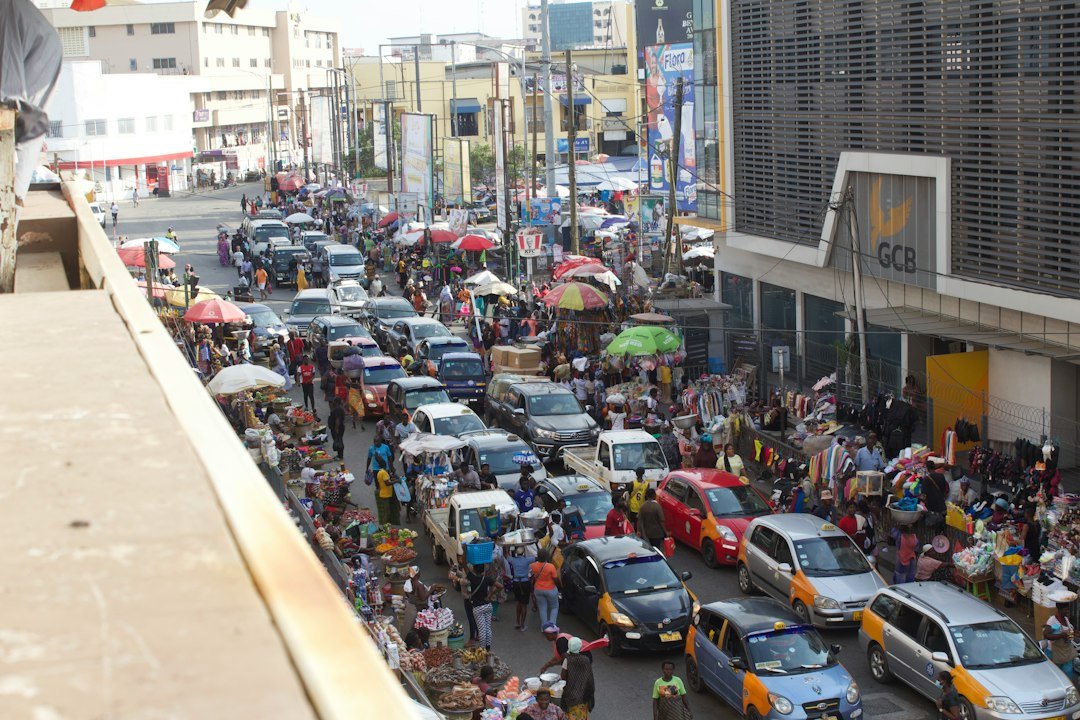
Image is illustrative and does not represent a specific inflation survey.









Leave a Reply