
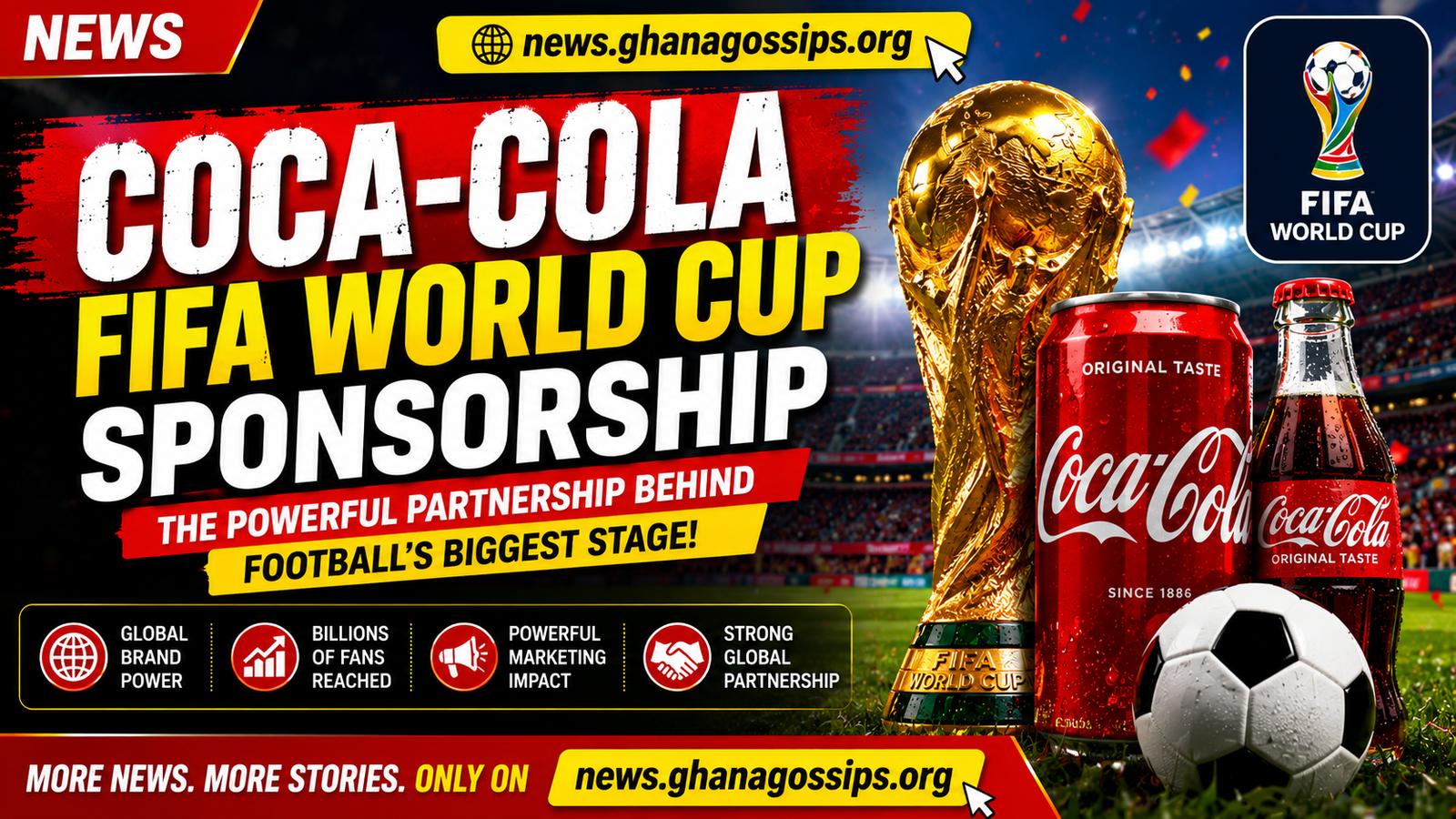
10 Amazing Coca-Cola FIFA World Cup Sponsorship Secrets Revealed
Biggest FIFA World Cup Sponsorship Partnerships Revealed
The FIFA World Cup is not only the biggest football tournament in the world — it is also one of the most powerful global marketing platforms for international brands. Every edition of the tournament attracts billions of viewers worldwide, making sponsorship partnerships extremely valuable for companies looking to increase visibility, customer engagement, and global recognition.
From airlines and sportswear giants to beverage companies and technology brands, major corporations spend millions of dollars to secure FIFA World Cup sponsorship deals. These partnerships help brands connect with football fans across Africa, Europe, Asia, North America, and the Middle East while boosting sales, digital traffic, and brand authority.
In this article, we reveal the biggest FIFA World Cup sponsorship partnerships, how they impact global football, and why brands continue investing heavily in FIFA marketing campaigns.
Coca-Cola FIFA World Cup Sponsorship – One of Football’s Biggest Global Partnerships
The Coca-Cola FIFA World Cup sponsorship is one of the most successful and longest-running partnerships in international sports history. For decades, The Coca-Cola Company has maintained a strong relationship with FIFA, helping the brand become deeply connected to global football culture.
As one of FIFA’s official sponsors, Coca-Cola has used the World Cup platform to increase worldwide brand awareness, connect with football fans, and expand its international marketing campaigns. The partnership continues to play a major role in shaping sports sponsorship marketing across Africa, Europe, Asia, and the Americas.
The Coca-Cola FIFA World Cup sponsorship has become more than just stadium advertising. It now includes fan engagement campaigns, digital promotions, social media activations, branded merchandise, and global television advertising. Every FIFA World Cup tournament gives Coca-Cola access to billions of viewers worldwide, making it one of the most valuable sponsorship deals in sports business history.
One major reason the Coca-Cola FIFA World Cup sponsorship remains successful is the emotional connection between football fans and the brand. Coca-Cola consistently creates campaigns centred around unity, celebration, happiness, and the excitement of football tournaments. These campaigns help the company strengthen customer loyalty while promoting products across international markets.
During FIFA World Cup events, Coca-Cola launches:
- Limited-edition World Cup bottles
- Football-themed advertisements
- Fan competitions
- Stadium branding campaigns
- Interactive digital experiences
- Social media football challenges
These marketing activities help increase product visibility and sales globally. The company also benefits from television exposure during live matches, interviews, and tournament coverage.
Another important advantage of the Coca-Cola FIFA World Cup sponsorship is its influence in emerging markets such as Ghana and other African countries. Football is extremely popular across Africa, and Coca-Cola uses FIFA sponsorship campaigns to connect with millions of young football fans. This strategy improves market penetration and strengthens the company’s position in the beverage industry.
The FIFA World Cup also provides Coca-Cola with opportunities to collaborate with football stars, influencers, and entertainment personalities. These partnerships help create viral online campaigns that attract millions of social media interactions during tournaments.
In recent years, digital marketing has become a major part of the Coca-Cola FIFA World Cup sponsorship strategy. The company now focuses heavily on:
- Online video campaigns
- Mobile advertising
- Social media engagement
- Interactive fan experiences
- Influencer marketing
- User-generated football content
This digital-first approach helps Coca-Cola stay competitive in modern sports marketing while reaching younger audiences worldwide.
Another reason Coca-Cola continues investing heavily in FIFA sponsorship deals is the massive global audience of the FIFA World Cup. The tournament attracts billions of viewers, making it one of the most watched sporting events on Earth. Few advertising platforms can deliver this level of worldwide exposure.
The success of the Coca-Cola FIFA World Cup sponsorship has also influenced other multinational companies to invest in football sponsorship marketing. Major global brands now compete aggressively for FIFA partnership opportunities because of the incredible marketing benefits associated with the tournament.
From stadium banners to online promotions, Coca-Cola remains one of the most recognisable FIFA sponsors in football history. The partnership continues to shape the future of sports advertising and international brand marketing.
Internal Links
- TuneOn Radio Sports News
- MyGH Pages Sports Section
- Fly Multimedia Ghana
- Ghana Radio Live Sports Updates
- Ghana Gossips Sports News
External Authority Links
How Coca-Cola Became a FIFA World Cup Sponsorship Giant
The Coca-Cola FIFA World Cup sponsorship became one of the most successful sports marketing partnerships in the world because of Coca-Cola’s long-term commitment to global football. The Coca-Cola Company recognised many years ago that football was more than just a sport — it was a global passion capable of connecting billions of people across different countries and cultures. By partnering with FIFA, Coca-Cola positioned itself as a brand associated with celebration, unity, excitement, and entertainment during the FIFA World Cup.
The success of the Coca-Cola FIFA World Cup sponsorship comes from the company’s powerful international marketing strategy. Coca-Cola does not rely only on stadium advertisements during World Cup matches. Instead, the company creates global campaigns that appear on television, radio, websites, social media platforms, billboards, and mobile applications. During FIFA tournaments, Coca-Cola launches football-themed promotions, limited-edition bottles, fan competitions, and digital engagement campaigns that attract millions of football fans worldwide.
One major reason the Coca-Cola FIFA World Cup sponsorship remains valuable is the emotional connection the company creates through storytelling. Coca-Cola advertisements during the FIFA World Cup usually focus on friendship, family celebrations, national pride, and fan excitement. These campaigns help fans feel emotionally connected to the brand while enjoying football entertainment. The company understands that football fans want memorable experiences, and Coca-Cola uses the FIFA World Cup to become part of those moments.
The partnership also provides Coca-Cola with massive global visibility. The FIFA World Cup is one of the most watched sporting events in the world, attracting billions of viewers across Africa, Europe, Asia, North America, and the Middle East. Every time fans watch matches, highlights, interviews, or football discussions, Coca-Cola branding appears through sponsorship advertising, helping the company maintain strong international recognition.
In countries like Ghana, the Coca-Cola FIFA World Cup sponsorship is especially important because football has a huge fan base. Coca-Cola uses FIFA campaigns to connect with young audiences, increase product awareness, and strengthen customer loyalty in African markets. The company’s football promotions often become highly popular during tournament periods because football fans actively engage with World Cup content both online and offline.
Another factor behind the success of the Coca-Cola FIFA World Cup sponsorship is the company’s ability to adapt to modern digital marketing trends. Coca-Cola now invests heavily in social media campaigns, influencer marketing, online video advertising, and interactive fan experiences. This digital strategy helps the brand reach younger football fans who spend more time on mobile devices and social platforms.
Internal Links
- TuneOn Radio Football News
- MyGH Pages Sports Updates
- Fly Multimedia Ghana Sports Coverage
- Ghana Radio Live Football Section
External Authority Links
Global Marketing Power Behind the Coca-Cola FIFA World Cup Sponsorship
The Coca-Cola FIFA World Cup Sponsorship is considered one of the most powerful global marketing partnerships because it gives Coca-Cola access to billions of football fans worldwide. Every FIFA World Cup tournament attracts massive television audiences, online viewers, sports bloggers, social media discussions, and international media coverage. This global attention allows The Coca-Cola Company to promote its products across multiple countries at the same time.
One of the biggest strengths of the Coca-Cola FIFA World Cup Sponsorship is worldwide brand visibility. During World Cup tournaments, Coca-Cola logos appear inside stadiums, on digital screens, during live broadcasts, and across online football campaigns. Fans watching matches from Ghana, Nigeria, the United Kingdom, Brazil, the United States, and many other countries constantly see Coca-Cola branding throughout the competition.
The partnership also helps Coca-Cola dominate sports-related advertising during tournament periods. FIFA World Cup campaigns usually include high-budget television commercials, celebrity appearances, football-themed packaging, fan contests, and social media promotions. These marketing strategies increase audience engagement and help Coca-Cola remain one of the most recognised beverage brands globally.
Another reason the Coca-Cola FIFA World Cup sponsorship remains highly valuable is its impact on customer loyalty. Football fans often connect emotionally with FIFA World Cup experiences, and Coca-Cola uses those emotions to strengthen its relationship with consumers. The company creates campaigns centred around happiness, celebration, teamwork, and national pride, helping customers associate positive football memories with the Coca-Cola brand.
Digital marketing has also transformed the Coca-Cola FIFA World Cup sponsorship into a powerful online engagement platform. Coca-Cola now invests heavily in influencer marketing, football hashtags, online videos, mobile advertising, and interactive fan experiences. During FIFA tournaments, millions of fans share Coca-Cola football campaigns across platforms such as Facebook, Instagram, TikTok, YouTube, and X.
In Africa, especially Ghana, the FIFA World Cup creates huge excitement among football supporters. Coca-Cola uses this opportunity to increase visibility through local advertising campaigns, football viewing events, fan promotions, and online engagement activities. These campaigns help the company connect with younger audiences while increasing product awareness in African markets.
The success of the Coca-Cola FIFA World Cup sponsorship has inspired many multinational companies to invest heavily in football sponsorship marketing. Global brands now compete aggressively for FIFA partnerships because the World Cup offers one of the largest marketing platforms in international sports entertainment.
Internal Links
- TuneOn Radio Sports News
- MyGH Pages Football Updates
- Fly Multimedia Ghana Sports Coverage
- Ghana Radio Live Sports Section
External Authority Links
Digital Marketing Success of the Coca-Cola FIFA World Cup Sponsorship
The Coca-Cola FIFA World Cup Sponsorship has evolved into one of the most successful digital marketing campaigns in global sports entertainment. In the modern football era, digital platforms play a major role in how fans experience the FIFA World Cup, and The Coca-Cola Company has adapted quickly to these changes. The company now uses advanced online marketing strategies to reach millions of football fans across social media, mobile devices, streaming platforms, and websites worldwide.
One of the biggest advantages of the Coca-Cola FIFA World Cup sponsorship is the company’s ability to create viral football content online. During FIFA World Cup tournaments, Coca-Cola launches social media campaigns featuring football fans, celebrities, influencers, and popular players. These campaigns often generate millions of views, comments, shares, and reactions across platforms such as Facebook, Instagram, TikTok, YouTube, and X.
The company also invests heavily in interactive fan experiences. Coca-Cola creates digital competitions, online voting campaigns, football prediction games, and branded hashtags that encourage fans to participate actively during the FIFA World Cup. These online activities increase audience engagement and help the brand remain visible throughout the tournament period.
Another important factor behind the success of the Coca-Cola FIFA World Cup Sponsorship is mobile marketing. Millions of football fans now watch highlights, check scores, and follow football updates directly from smartphones. Coca-Cola uses mobile-friendly advertisements, video campaigns, and digital promotions to connect with these audiences in real time. This strategy helps the company reach younger football fans who spend more time online than watching traditional television.
The FIFA World Cup also allows Coca-Cola to dominate online conversations during major football moments. Whether it is a dramatic goal, penalty shootout, or tournament celebration, Coca-Cola quickly integrates its branding into trending football discussions. This fast-response marketing strategy keeps the company highly relevant during global sporting events.
In Ghana and across Africa, the Coca-Cola FIFA World Cup sponsorship has become highly visible through digital football promotions. Many football fans actively engage with Coca-Cola campaigns online during World Cup tournaments, helping the company increase brand awareness and social media reach in African markets. Football discussions trend heavily during FIFA competitions, and Coca-Cola benefits from this massive online engagement.
Another reason the sponsorship remains successful is Coca-Cola’s collaboration with content creators and influencers. Football influencers, sports bloggers, and entertainment personalities often participate in Coca-Cola FIFA campaigns, helping the brand attract younger digital audiences. These collaborations increase online visibility and strengthen customer engagement during tournament periods.
The continued growth of online football audiences means the Coca-Cola FIFA World Cup sponsorship will remain a major force in digital sports marketing for many years. By combining football passion with creative online campaigns, Coca-Cola continues to lead the global sports sponsorship industry.
Internal Links
- TuneOn Radio Sports News
- MyGH Pages Football Updates
- Fly Multimedia Ghana Sports Coverage
- Ghana Radio Live Sports Section
External Authority Links
How the Coca-Cola FIFA World Cup Sponsorship Impacts Global Football Fans
The Coca-Cola FIFA World Cup sponsorship has had a massive impact on football fans around the world because it goes beyond traditional advertising and creates memorable experiences connected to the FIFA World Cup. The Coca-Cola Company understands that football fans want excitement, entertainment, and emotional connections during tournaments, and the company uses its FIFA partnership to deliver those experiences globally.
One of the biggest ways the Coca-Cola FIFA World Cup sponsorship impacts football fans is through fan engagement campaigns. During FIFA World Cup tournaments, Coca-Cola organises football viewing events, fan festivals, online competitions, and promotional campaigns that allow supporters to become part of the football celebration. These activities help fans feel more connected to the tournament while increasing the visibility of the Coca-Cola brand.
The sponsorship also creates excitement through football-themed packaging and limited-edition products. During FIFA World Cup seasons, Coca-Cola often releases special bottles and cans featuring football designs, tournament branding, and country-themed campaigns. These products become highly popular among football supporters and collectors worldwide.
Another important impact of the Coca-Cola FIFA World Cup sponsorship is the way it supports global football culture. Coca-Cola advertisements often celebrate diversity, teamwork, unity, and friendship through football. These messages resonate strongly with fans because the FIFA World Cup brings people together from different backgrounds, cultures, and countries. The company uses emotional storytelling to make football fans feel connected through shared experiences.
In Ghana and across Africa, the FIFA World Cup creates huge excitement among supporters, and Coca-Cola actively participates in that atmosphere through local campaigns and football promotions. Many football fans engage with Coca-Cola advertisements on television, radio, social media, and football websites during tournament periods. This strong connection between football and entertainment helps the company remain highly relevant in African markets.
The Coca-Cola FIFA World Cup sponsorship also impacts fans through digital engagement. Modern football supporters spend a lot of time online following match highlights, live scores, player interviews, and social media updates. Coca-Cola uses digital campaigns, influencer collaborations, and online football content to interact directly with these audiences. This strategy increases fan participation and keeps the Coca-Cola brand visible throughout the FIFA tournament.
Another major benefit of the sponsorship is its contribution to the overall entertainment experience of the FIFA World Cup. Coca-Cola branding appears during key tournament moments, fan celebrations, and international football broadcasts, helping create a festive atmosphere around the competition. Fans often associate Coca-Cola campaigns with memorable football moments, making the partnership emotionally powerful and commercially successful.
As football continues growing globally, the Coca-Cola FIFA World Cup sponsorship remains one of the strongest examples of how brands can connect with sports audiences through entertainment, emotion, and digital innovation.
Internal Links
- TuneOn Radio Sports News
- MyGH Pages Football Updates
- Fly Multimedia Ghana Sports Coverage
- Ghana Radio Live Sports Section
External Authority Links
Business Benefits of the Coca-Cola FIFA World Cup Sponsorship
The Coca-Cola FIFA World Cup sponsorship is not only a football marketing partnership but also a powerful business strategy that helps The Coca-Cola Company increase revenue, strengthen customer loyalty, and expand its global market influence. The FIFA World Cup provides Coca-Cola with one of the largest advertising platforms in the world, allowing the company to reach billions of football fans across different continents.
One of the biggest business benefits of the Coca-Cola FIFA World Cup sponsorship is global brand exposure. During FIFA World Cup tournaments, Coca-Cola branding appears in stadiums, television broadcasts, social media campaigns, fan zones, and online football discussions. This level of worldwide visibility helps the company maintain strong international recognition and remain one of the most dominant beverage brands globally.
The sponsorship also helps Coca-Cola increase product sales during tournament periods. Football fans often purchase drinks, snacks, and entertainment products while watching FIFA World Cup matches with friends and family. Coca-Cola uses this opportunity to launch football-themed advertising campaigns, limited-edition packaging, and promotional offers that encourage more consumer purchases during the tournament season.
Another major advantage of the Coca-Cola FIFA World Cup sponsorship is customer loyalty. Football creates strong emotional connections among fans, and Coca-Cola uses those emotions to strengthen relationships with consumers. By associating its brand with memorable football moments, celebrations, and national pride, Coca-Cola increases customer trust and long-term brand attachment.
The FIFA World Cup partnership also supports Coca-Cola’s expansion into emerging markets, especially in Africa and Asia. Countries like Ghana have millions of passionate football fans who actively follow FIFA tournaments. Coca-Cola uses local advertising campaigns, football viewing events, and digital promotions to connect with these audiences and strengthen its market presence in developing regions.
Digital marketing has become another important business benefit of the Coca-Cola FIFA World Cup sponsorship. Coca-Cola now reaches online audiences through social media campaigns, football videos, influencer collaborations, and mobile advertising. These digital strategies help the company engage younger football fans who spend more time on online platforms than traditional television.
The sponsorship also gives Coca-Cola a competitive advantage over rival beverage companies. During FIFA World Cup tournaments, Coca-Cola dominates football-related advertising and maintains strong visibility across global media channels. This helps the company remain ahead of competitors in the international beverage industry.
Another important business benefit is partnership networking. The FIFA World Cup brings together multinational brands, media companies, sponsors, and international organisations. Coca-Cola benefits from these global business relationships while strengthening its influence in sports marketing and international advertising.
The continued success of the Coca-Cola FIFA World Cup sponsorship proves how powerful football marketing can be for international companies. By combining sports entertainment, emotional branding, and digital innovation, Coca-Cola continues to generate massive business value through its FIFA partnership.
Internal Links
- TuneOn Radio Sports News
- MyGH Pages Football Updates
- Fly Multimedia Ghana Sports Coverage
- Ghana Radio Live Sports Section
External Authority Links
Coca-Cola FIFA World Cup Sponsorship and Social Media Influence
The Coca-Cola FIFA World Cup Sponsorship has become one of the most influential social media marketing campaigns in global sports. In today’s digital world, football fans no longer experience the FIFA World Cup only through television broadcasts. Millions of supporters now follow matches, highlights, player interviews, and football discussions through social media platforms, and The Coca-Cola Company has successfully used this shift to strengthen its global marketing power.
One major reason the Coca-Cola FIFA World Cup sponsorship performs strongly online is the company’s ability to create highly shareable football content. During FIFA World Cup tournaments, Coca-Cola releases videos, fan reactions, football-themed graphics, influencer collaborations, and celebration campaigns that quickly spread across Facebook, Instagram, TikTok, YouTube, and X. These campaigns often generate millions of views and interactions from football supporters worldwide.
The company also uses hashtags and interactive campaigns to increase engagement during FIFA matches. Fans are encouraged to participate in football conversations, upload celebration videos, predict match outcomes, and share tournament experiences online. This strategy helps Coca-Cola remain visible throughout the FIFA World Cup while increasing direct interaction with football audiences.
Another important strength of the Coca-Cola FIFA World Cup Sponsorship is influencer marketing. Coca-Cola frequently partners with football creators, sports influencers, celebrities, and entertainment personalities to promote World Cup campaigns online. These collaborations help the company attract younger audiences who consume football content mainly through social media and mobile devices.
In Ghana and across Africa, football discussions trend heavily during FIFA World Cup tournaments, making social media one of the most important platforms for fan engagement. Coca-Cola takes advantage of this massive online activity by launching localised campaigns that connect with African football fans. The company’s digital football promotions often become popular among young audiences who actively engage with World Cup content daily.
The Coca-Cola FIFA World Cup sponsorship also benefits from real-time marketing. During major tournament moments such as dramatic goals, penalty shootouts, or trophy celebrations, Coca-Cola quickly publishes branded content related to trending football events. This fast-response strategy helps the company stay relevant in online conversations while increasing audience engagement.
Another reason the sponsorship remains successful is Coca-Cola’s focus on emotional storytelling through social media. Many of the company’s FIFA World Cup campaigns highlight friendship, celebration, passion, and national pride. These emotional themes connect strongly with football fans and encourage people to share content with friends and followers online.
The growth of digital media has made social platforms essential for modern sports sponsorships, and the Coca-Cola FIFA World Cup Sponsorship continues to lead the way in football-related online marketing. By combining football entertainment with creative digital campaigns, Coca-Cola remains one of the most powerful brands in international sports advertising.
Internal Links
- TuneOn Radio Football News
- MyGH Pages Sports Updates
- Fly Multimedia Ghana Sports Coverage
- Ghana Radio Live Football Section
External Authority Links
Why the Coca-Cola FIFA World Cup Sponsorship Remains Successful
The Coca-Cola FIFA World Cup sponsorship continues to remain successful because it combines global football passion, emotional storytelling, strong branding, and modern digital marketing strategies. For many years, The Coca-Cola Company has maintained a close relationship with FIFA, making the partnership one of the most recognised sponsorship deals in sports history.
One of the biggest reasons behind the success of the Coca-Cola FIFA World Cup sponsorship is consistency. Coca-Cola has maintained its presence in FIFA tournaments for decades, helping football fans associate the brand directly with the excitement of the FIFA World Cup. This long-term visibility has built strong global recognition and trust among consumers across different countries.
Another important reason the sponsorship remains powerful is the emotional connection Coca-Cola creates with football audiences. The company focuses heavily on campaigns that promote happiness, celebration, unity, friendship, and national pride. During FIFA World Cup tournaments, fans experience strong emotions while supporting their favourite countries, and Coca-Cola uses these moments to strengthen customer relationships through emotional advertising.
The FIFA World Cup also gives Coca-Cola unmatched international exposure. Billions of viewers watch World Cup matches through television broadcasts, streaming platforms, mobile devices, and social media. Coca-Cola branding appears throughout the tournament in stadiums, online campaigns, interviews, advertisements, and fan zones, ensuring the company remains visible to worldwide audiences.
Digital innovation has also played a major role in the continued success of the Coca-Cola FIFA World Cup sponsorship. Coca-Cola actively invests in social media marketing, influencer campaigns, mobile advertising, football videos, and online fan experiences. These strategies help the company stay connected with younger audiences who consume football content mainly through digital platforms.
In countries like Ghana, football remains one of the most popular forms of entertainment, making FIFA World Cup sponsorship campaigns highly effective. Coca-Cola uses local promotions, football viewing events, radio advertising, and online campaigns to connect with millions of African football supporters. These localized strategies help increase customer loyalty and improve market visibility.
Another reason the sponsorship continues to succeed is Coca-Cola’s ability to adapt to changing marketing trends. The company consistently updates its football campaigns to match modern audience behavior, ensuring its FIFA marketing remains relevant in the digital era. Whether through influencer collaborations, trending hashtags, or online football competitions, Coca-Cola continues finding new ways to engage football fans globally.
The Coca-Cola FIFA World Cup sponsorship has also influenced many other global companies to invest in football sponsorship marketing. The partnership proves that combining sports entertainment with emotional branding and digital engagement can generate massive global business success.
Internal Links
- TuneOn Radio Football News
- MyGH Pages Sports Updates
- Fly Multimedia Ghana Sports Coverage
- Ghana Radio Live Football Section
External Authority Links
The Future of the Coca-Cola FIFA World Cup Sponsorship
The Coca-Cola FIFA World Cup sponsorship is expected to remain one of the most influential partnerships in global sports marketing for many years. As football continues growing worldwide, The Coca-Cola Company is likely to expand its FIFA marketing strategies through digital innovation, fan engagement, and international advertising campaigns. The FIFA World Cup remains one of the few sporting events capable of attracting billions of viewers at the same time, making the sponsorship extremely valuable for global brands.
One major factor shaping the future of the Coca-Cola FIFA World Cup sponsorship is technology. Modern football fans now consume sports content through smartphones, streaming platforms, social media, and online communities. Coca-Cola is expected to invest even more in digital experiences such as virtual fan engagement, interactive football campaigns, live social media activations, and personalised online advertising during future FIFA tournaments.
Artificial intelligence and data-driven marketing are also becoming important parts of sports sponsorship campaigns. Coca-Cola may use advanced audience targeting, customer behaviour analysis, and AI-powered advertising to create more personalised FIFA World Cup experiences for football fans. These strategies can help the company improve audience engagement while increasing the effectiveness of its football marketing campaigns.
Another important trend influencing the future of the Coca-Cola FIFA World Cup sponsorship is the growing popularity of football in Africa and Asia. Countries like Ghana have millions of passionate football supporters who actively follow FIFA tournaments both online and offline. Coca-Cola is expected to continue investing heavily in African football audiences through local campaigns, fan viewing experiences, digital promotions, and sports entertainment partnerships.
The future of the sponsorship will also focus strongly on social media influence. Football discussions now trend globally within seconds during FIFA World Cup matches, and Coca-Cola understands the power of real-time online engagement. Future FIFA campaigns are likely to include more influencer collaborations, live fan interactions, short-form video content, and social media-driven football experiences designed for younger audiences.
Sustainability and corporate responsibility may also become bigger parts of the Coca-Cola FIFA World Cup Sponsorship in the coming years. Many global companies are now focusing on environmentally friendly marketing campaigns and sustainable business practices. Coca-Cola could integrate recycling initiatives, eco-friendly packaging, and sustainability messaging into future FIFA World Cup promotions to improve its global brand image.
Another reason the partnership is expected to remain successful is the emotional power of football itself. The FIFA World Cup creates unforgettable moments of celebration, national pride, excitement, and unity. Coca-Cola has mastered the ability to connect its brand with these emotions, helping the company maintain strong customer loyalty around the world.
As FIFA tournaments continue evolving through digital transformation and global audience growth, the Coca-Cola FIFA World Cup sponsorship will likely remain one of the most recognised and valuable partnerships in sports marketing history.
Internal Links
- TuneOn Radio Football News
- MyGH Pages Sports Updates
- Fly Multimedia Ghana Sports Coverage
- Ghana Radio Live Football Section
External Authority Links
Conclusion on the Coca-Cola FIFA World Cup Sponsorship
The Coca-Cola FIFA World Cup sponsorship remains one of the most successful and powerful partnerships in international sports marketing. Over the years, The Coca-Cola Company has successfully connected its brand with the passion, excitement, and global influence of the FIFA World Cup. Through emotional storytelling, digital innovation, football fan engagement, and worldwide advertising campaigns, Coca-Cola has transformed its FIFA sponsorship into a long-term global marketing success story.
One of the biggest reasons the Coca-Cola FIFA World Cup Sponsorship continues to dominate global football marketing is the enormous worldwide audience of the FIFA World Cup. Billions of football fans watch matches, highlights, interviews, and football discussions during every tournament, giving Coca-Cola unmatched international visibility. The company uses this exposure to strengthen customer loyalty, increase product sales, and maintain strong brand recognition across different countries and cultures.
Digital marketing has also helped Coca-Cola remain highly competitive in modern sports sponsorships. The company now reaches football fans through social media campaigns, online videos, influencer collaborations, mobile advertising, and interactive fan experiences. These strategies allow Coca-Cola to stay connected with younger audiences who consume football content mainly through digital platforms.
In Africa, especially Ghana, football continues to be one of the most followed sports, making the Coca-Cola FIFA World Cup sponsorship highly effective for local audience engagement. Coca-Cola uses football campaigns, viewing events, and online promotions to connect with millions of supporters during FIFA tournaments. This strong relationship between football entertainment and branding helps the company maintain a dominant position in sports advertising.
The future of the Coca-Cola FIFA World Cup Sponsorship looks even stronger as technology, streaming platforms, and social media continue shaping how fans experience football. Coca-Cola is expected to invest more in digital innovation, personalised marketing, and interactive football campaigns to maintain its leadership in global sports sponsorship marketing.
The partnership between Coca-Cola and FIFA proves how football can create massive business opportunities for international brands. By combining emotional storytelling, worldwide football passion, and powerful digital marketing strategies, Coca-Cola has built one of the most recognised sponsorship partnerships in sports history.
20 Top Direct Website Links for Coca-Cola FIFA World Cup Sponsorship Research
- FIFA Official Website
- Coca-Cola Official Website
- Adidas Football
- Visa Global
- Qatar Airways
- Hyundai Worldwide
- Kia Global
- Budweiser Official
- McDonald’s Global
- Crypto.com
- Saudi Aramco
- Nike Football
- Pepsi Global
- Puma Football
- Mastercard Official
- Samsung Global
- Sony Official
- Canon Global
- Red Bull Sports
- Emirates Airline