
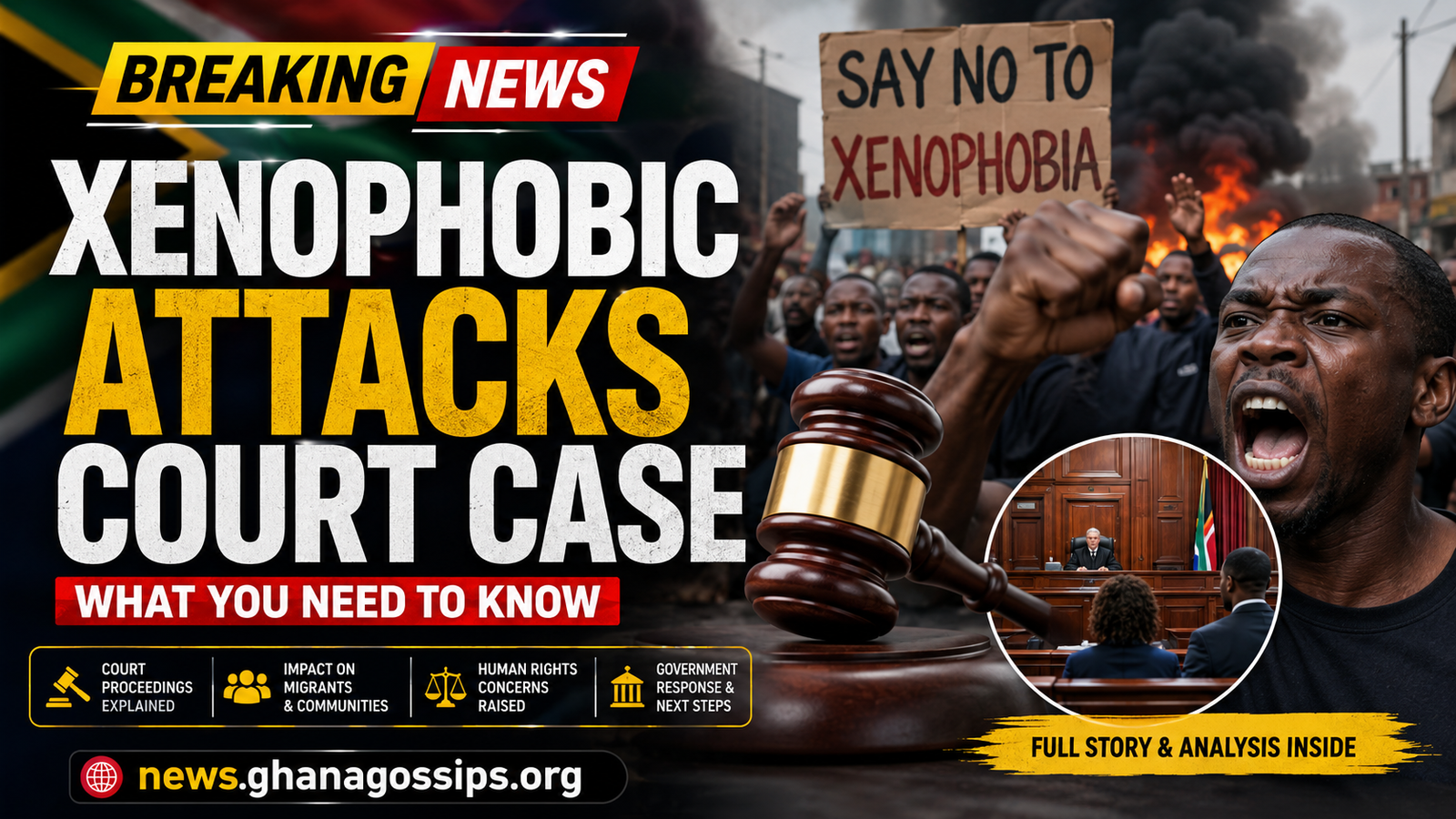
10 Shocking Xenophobic Attacks Court Case Updates You Need to Know
Xenophobic Attacks Court Case: South African Activist Appeals for Support After Court Appearance
The issue of xenophobic attacks in South Africa continues to generate intense debate across Africa and beyond. In a dramatic development, a South African activist linked to anti-immigration demonstrations reportedly appeared in court and made an emotional appeal for public support. The incident has sparked widespread discussion on immigration, human rights, social tensions, and the rule of law in South Africa.
This article examines the court case, the activist’s appeal, public reactions, the broader impact of xenophobic attacks, and what the situation means for foreign nationals living in South Africa.
What Happened in Court? South African Activist’s Emotional Appeal Sparks Debate
What Happened in Court?
The xenophobic attacks court case has become one of the most discussed topics across Africa following reports that a South African activist appeared before a court and made an emotional appeal for public support. The court proceedings have attracted widespread attention because they involve issues surrounding immigration, public protests, human rights, social tensions, and the rule of law.
The Xenophobic Attacks court case began after legal complaints and investigations were reportedly initiated regarding activities connected to anti-immigration campaigns in South Africa. Authorities are examining allegations related to statements, demonstrations, and actions that critics claim may have contributed to hostility toward foreign nationals living in the country. The case has become a major talking point because it touches on sensitive social and political issues that affect millions of people.
During the court appearance, the activist reportedly addressed supporters and observers while expressing concern about the legal challenges being faced. According to media reports, the activist became emotional and appealed for public backing as the legal process continued. The incident quickly gained traction on social media platforms, where videos and photographs circulated widely among supporters and critics alike.
The xenophobic attacks court case has generated strong reactions from different groups within South African society. Supporters of the activist argue that the court proceedings represent an attempt to silence individuals raising concerns about immigration and economic challenges. They believe that citizens have the right to discuss issues affecting their communities and advocate for policy changes through lawful means.
On the other hand, critics of the activist argue that certain public statements and actions can contribute to negative attitudes toward foreign nationals. They maintain that responsible leadership requires promoting peaceful dialogue and avoiding language that could increase social tensions. As a result, the case has become part of a broader national conversation about freedom of expression, accountability, and social responsibility.
One reason the xenophobic attacks court case has attracted significant attention is because South Africa has experienced previous incidents involving violence against foreign nationals. Over the years, attacks targeting migrants and refugees from various African countries have sparked international concern. These incidents have affected people from nations such as Zimbabwe, Nigeria, Mozambique, Malawi, Ethiopia, Somalia, and Ghana.
Human rights organisations continue to monitor developments related to the Xenophobic Attacks Court Case because of its potential implications for migrant communities. Advocacy groups have repeatedly emphasised the importance of protecting vulnerable individuals while ensuring that legal proceedings are conducted fairly and transparently. Many organisations argue that all residents, regardless of nationality, deserve equal protection under the law.
The court proceedings have also highlighted the complex relationship between immigration and economic concerns. Some South Africans believe that high unemployment rates and economic pressures contribute to frustration among local communities. Others argue that migrants often contribute positively to the economy through entrepreneurship, labour, and investment. These differing viewpoints have intensified public debate surrounding the case.
Another important aspect of the Xenophobic Attacks Court Case is its impact on regional relations. African leaders and international organisations have previously expressed concern about xenophobic violence and have encouraged efforts to strengthen unity among African nations. The current court proceedings are being closely watched because they may influence future discussions about migration policy and social cohesion.
Legal experts note that the court process is designed to evaluate evidence, hear arguments from all sides, and determine whether any laws were violated. Until the proceedings conclude, many details remain subject to judicial review. Observers emphasise the importance of allowing the legal system to operate independently and fairly.
The xenophobic attacks court case also demonstrates the power of social media in shaping public opinion. News reports, videos, and online discussions have amplified interest in the case, making it one of the most talked-about issues in South Africa and across the continent. Public reactions continue to reflect the deep divisions surrounding immigration and national identity.
As the legal process moves forward, the Xenophobic Attacks court case is expected to remain in the spotlight. The outcome could have significant implications for activism, immigration debates, human rights advocacy, and public discourse in South Africa. Regardless of the final decision, the case has already sparked important conversations about justice, accountability, and the future of social cohesion in Africa.
Internal Links
- https://news.ghanagossips.org/
- https://tuneon.net/
- https://flymultimediagh.com/
- https://ghanaradiolive.com/
- https://sencoproperties.com/news/
External Authority Links
Why the Activist Was Taken to Court
The xenophobic attacks court case has attracted significant public attention because it raises important questions about activism, immigration, freedom of expression, and legal accountability in South Africa. While supporters and critics continue to debate the issues involved, the court proceedings were reportedly initiated following complaints and investigations linked to statements, demonstrations, and activities associated with anti-immigration campaigns.
The Xenophobic Attacks court case centres on allegations that certain actions or public remarks may have contributed to tensions involving foreign nationals living in South Africa. Authorities reportedly received complaints from individuals, advocacy groups, and concerned organisations who believed that some activities required legal scrutiny. As a result, law enforcement agencies and legal authorities began examining the matter to determine whether any laws had been violated.
One of the key reasons behind the xenophobic attacks court case is the concern that public statements made during anti-immigration campaigns may have influenced public attitudes toward migrants and refugees. Critics argue that certain messages can contribute to hostility against foreign nationals, especially during periods of economic hardship and social tension. These concerns prompted calls for investigations into whether the activities crossed legal boundaries.
Supporters of the activist, however, maintain that the xenophobic attacks court case involves legitimate political and social activism rather than unlawful conduct. They argue that citizens have a constitutional right to express concerns about immigration, unemployment, public services, and economic conditions. According to supporters, raising these issues should not automatically result in legal action.
The court proceedings also reflect broader debates within South African society. Immigration remains a highly sensitive issue because many citizens are concerned about unemployment, housing shortages, and access to public services. Some activists claim that illegal immigration places additional pressure on already limited resources. These arguments have gained attention in various public discussions and political debates.
Another important aspect of the Xenophobic Attacks court case is the involvement of human rights organisations and legal advocacy groups. Several organisations have argued that authorities must investigate allegations thoroughly whenever there are concerns about discrimination, hate speech, or actions that may endanger vulnerable communities. They believe the legal process is necessary to protect constitutional rights and maintain social stability.
The legal proceedings are reportedly examining whether any specific laws relating to public conduct, incitement, discrimination, or community safety may have been breached. Courts are tasked with reviewing evidence presented by both sides before reaching any conclusions. Legal experts emphasise that allegations alone do not establish guilt and that due process remains a fundamental principle of justice.
The xenophobic attacks court case has also become a major topic on social media platforms. Videos, interviews, and commentary related to the case have generated widespread discussion across Africa. Supporters often describe the activist as someone addressing genuine public concerns, while critics argue that inflammatory rhetoric can create dangerous consequences for foreign nationals.
International observers are closely monitoring developments because South Africa has previously experienced incidents involving violence against migrants from other African countries. These incidents have drawn condemnation from governments, human rights organisations, and regional bodies. Consequently, any legal case connected to xenophobia receives significant attention both locally and internationally.
The xenophobic attacks court case highlights the challenge of balancing freedom of expression with the responsibility to prevent discrimination and violence. Democracies generally protect the right to express opinions, but those rights are often subject to limitations when speech may incite harm or threaten public safety. Courts frequently play a crucial role in determining where these boundaries exist.
As the case progresses, many South Africans are watching closely to see how the legal system handles the matter. The outcome could influence future discussions about immigration policy, activism, public protests, and social cohesion. It may also shape how similar cases are approached in the future.
Ultimately, the xenophobic attacks court case is about more than one individual or one court appearance. It reflects broader issues affecting South Africa and the African continent, including migration, economic challenges, human rights, and national unity. The legal process is expected to continue examining the facts while allowing all parties an opportunity to present their arguments before a final decision is reached.
Internal Links
- https://news.ghanagossips.org/
- https://tuneon.net/
- https://flymultimediagh.com/
- https://ghanaradiolive.com/
- https://sencoproperties.com/news/
External Authority Links
Public Reaction Across South Africa
The Xenophobic Attacks court case has generated intense reactions across South Africa, with citizens, political commentators, activists, business owners, human rights organisations, and social media users expressing differing opinions about the legal proceedings. The case has become one of the most discussed public issues because it touches on immigration, unemployment, freedom of speech, national identity, and social cohesion.
Since news of the court appearance became public, discussions surrounding the Xenophobic Attacks Court Case have spread rapidly across television networks, radio stations, newspapers, and social media platforms. Supporters and critics alike have used these platforms to share their views, creating a nationwide conversation about the broader issues linked to migration and public policy.
Supporters of the activist involved in the xenophobic attacks court case argue that the legal action is unfair and politically motivated. They claim the activist has simply been raising concerns that many South Africans share regarding illegal immigration, economic challenges, and pressure on public services. According to supporters, citizens should be free to discuss these issues without fear of legal consequences.
Many individuals supporting the activist believe that unemployment remains one of South Africa’s biggest challenges. They argue that public debates about immigration should be encouraged because communities have legitimate concerns about jobs, housing, healthcare, and access to social services. As a result, they view the xenophobic attacks court case as a test of freedom of expression and democratic participation.
On the other hand, critics of the activist have strongly defended the court proceedings. They argue that public figures and activists have a responsibility to avoid language or actions that could contribute to hostility toward migrants and refugees. These critics believe that leaders should promote unity and peaceful coexistence rather than rhetoric that may increase social divisions.
Human rights organizations have also weighed in on the Xenophobic Attacks Court Case. Many advocacy groups emphasize the need to protect vulnerable communities from discrimination and violence. They argue that South Africa’s Constitution guarantees dignity and equal protection for all people regardless of nationality. As such, they support legal measures aimed at preventing hate speech and protecting human rights.
Social media has played a major role in shaping public opinion regarding the xenophobic attacks court case. Platforms such as Facebook, X (formerly Twitter), TikTok, and YouTube have become battlegrounds for competing narratives. Supporters frequently share messages calling for solidarity with the activist, while opponents use the same platforms to highlight the dangers of xenophobia and discrimination.
The debate has extended beyond South Africa’s borders. Citizens from other African countries have closely followed developments in the Xenophobic Attacks Court Case because previous xenophobic incidents have affected foreign nationals from across the continent. Many Africans living abroad have expressed concern about the impact such controversies may have on regional unity and cooperation.
Political figures have also entered the conversation. Some politicians argue that immigration policies need urgent reform to address public concerns, while others stress the importance of protecting human rights and maintaining social harmony. These differing perspectives have contributed to the widespread attention surrounding the case.
Another significant aspect of the xenophobic attacks court case is its impact on migrant communities. Many foreign nationals living in South Africa have expressed anxiety about the public discourse surrounding immigration. Some community leaders have called for calm and encouraged dialogue as a way of addressing concerns without creating fear or division.
Business organisations and economic analysts have also commented on the issue. Some experts note that migrants contribute significantly to the South African economy through entrepreneurship, labour, and investment. Others argue that economic frustrations often become intertwined with immigration debates, making the issue more complex than it initially appears.
The xenophobic attacks court case has become more than just a legal matter. It now represents a broader national conversation about identity, citizenship, economic opportunity, and social responsibility. Public reactions continue to demonstrate how deeply these issues resonate within South African society.
As court proceedings continue, public interest in the xenophobic attacks court case is expected to remain high. The outcome could influence future discussions about immigration, activism, and community relations. Regardless of differing opinions, many South Africans agree that the issues raised by the case deserve thoughtful discussion and peaceful solutions.
Internal Links
- https://news.ghanagossips.org/
- https://tuneon.net/
- https://flymultimediagh.com/
- https://ghanaradiolive.com/
- https://sencoproperties.com/news/
External Authority Links
Understanding Xenophobic Attacks in South Africa
The xenophobic attacks court case has renewed global attention on the long-standing issue of xenophobia in South Africa. While the current legal proceedings focus on a specific activist and court appearance, the broader conversation has once again highlighted the challenges surrounding immigration, social tensions, economic pressures, and community relations within the country.
To fully understand the significance of the xenophobic attacks court case, it is important to examine the history of xenophobic attacks in South Africa and the factors that contribute to these incidents. Xenophobia refers to prejudice, hostility, or discrimination directed toward people from other countries. In South Africa, such tensions have occasionally resulted in protests, intimidation, destruction of property, and violent attacks targeting foreign nationals.
The issue gained international attention during major outbreaks of violence that occurred in different parts of South Africa over the past two decades. During these incidents, migrants and refugees from several African countries became targets of attacks. Citizens from Zimbabwe, Nigeria, Mozambique, Malawi, Ethiopia, Somalia, Ghana, and other nations were among those affected. These events sparked widespread condemnation from governments, human rights organisations, and international bodies.
The xenophobic attacks court case has brought these concerns back into public discussion because many observers believe that public rhetoric surrounding immigration can influence attitudes toward foreign nationals. As a result, the case is being closely watched by those concerned about social cohesion and human rights protections.
One of the primary factors often associated with xenophobic tensions is unemployment. South Africa continues to face significant economic challenges, including high unemployment rates, particularly among young people. Some citizens believe that migrants compete with locals for jobs and business opportunities. These perceptions can contribute to frustration and resentment, even though economic experts often point out that the causes of unemployment are far more complex.
Another factor connected to the xenophobic attacks court case is the issue of public services. Concerns about housing, healthcare, education, and infrastructure frequently become part of debates about immigration. Some community members argue that increasing population pressures place additional demands on already limited resources. These concerns often fuel discussions about immigration policy and border management.
However, many researchers and economic analysts emphasise that migrants also make valuable contributions to society. Foreign nationals often establish businesses, create jobs, pay taxes, and contribute to economic growth. In many communities, migrant-owned businesses provide goods and services that benefit local residents. Understanding these contributions is important when discussing immigration-related issues.
The xenophobic attacks court case has also highlighted the role of misinformation and social media in shaping public opinion. False claims and misleading information can spread quickly online, increasing tensions and creating misunderstandings between different communities. Human rights organisations have repeatedly called for responsible communication and fact-based discussions on immigration matters.
South Africa’s Constitution is widely regarded as one of the most progressive in the world, guaranteeing equality and human dignity for all people regardless of nationality. Human rights advocates argue that these constitutional protections should guide public policy and community relations. They stress that concerns about immigration should be addressed through lawful and peaceful means rather than hostility or violence.
The government has repeatedly condemned xenophobic violence and implemented various programmes aimed at promoting social cohesion. Community dialogues, public awareness campaigns, and law enforcement initiatives have been introduced to reduce tensions and encourage peaceful coexistence. Despite these efforts, challenges remain, and incidents occasionally continue to occur.
The xenophobic attacks court case demonstrates how sensitive and complex immigration-related issues can be. While some individuals focus on economic concerns, others emphasise human rights and regional solidarity. Finding solutions requires balancing legitimate policy discussions with the need to protect vulnerable communities from discrimination and violence.
International organisations continue to monitor developments related to xenophobia in South Africa. Many believe that cooperation between governments, community leaders, businesses, and civil society groups is essential for building stronger and more inclusive societies. Education and dialogue are often cited as key tools for addressing misconceptions and reducing tensions.
As discussions surrounding the xenophobic attacks court case continue, the broader issue of xenophobia remains an important challenge for South Africa and the African continent. The case serves as a reminder of the importance of promoting unity, respect, and peaceful coexistence while addressing economic and social concerns through constructive and lawful approaches.
Internal Links
- https://news.ghanagossips.org/
- https://tuneon.net/
- https://flymultimediagh.com/
- https://ghanaradiolive.com/
- https://sencoproperties.com/news/
External Authority Links
The Impact on African Migrants
The Xenophobic Attacks Court Case has once again highlighted the challenges faced by African migrants living and working in South Africa. While the legal proceedings focus on a specific activist and court appearance, the wider discussion has brought renewed attention to the experiences of millions of migrants who have moved to South Africa in search of safety, employment, education, and better economic opportunities.
For many years, South Africa has been one of Africa’s most attractive destinations for migrants due to its relatively developed economy, business opportunities, educational institutions, and infrastructure. Thousands of people from countries such as Ghana, Zimbabwe, Nigeria, Malawi, Mozambique, Ethiopia, Somalia, and the Democratic Republic of Congo have relocated to South Africa hoping to improve their lives and support their families back home.
The xenophobic attacks court case has reignited concerns among migrant communities because previous incidents of xenophobic violence have often created fear and uncertainty. Whenever public debates about immigration intensify, many foreign nationals worry about their safety, livelihoods, and future in the country. As a result, legal and political developments linked to immigration issues are closely monitored by migrant communities.
One of the most significant impacts associated with the xenophobic attacks court case is the psychological effect on migrants. Many individuals who have experienced or witnessed xenophobic incidents report feelings of anxiety, stress, and insecurity. Fear of discrimination can affect daily activities, business operations, education, and social interactions. Some migrants may become hesitant to openly participate in community life due to concerns about hostility or prejudice.
Economic consequences are another important aspect of the discussion surrounding the xenophobic attacks court case. Many African migrants own small businesses, operate retail shops, work in various industries, or contribute to the informal economy. During periods of heightened tension, businesses owned by foreign nationals may experience reduced customer traffic, financial losses, or security concerns. In severe cases, property damage and looting have previously disrupted livelihoods.
The Xenophobic Attacks Court Case also highlights the challenges faced by migrant workers. Many foreign nationals contribute significantly to sectors such as construction, hospitality, transportation, agriculture, healthcare, and retail. Despite these contributions, some migrants continue to face discrimination in the workplace and difficulties accessing employment opportunities. Public controversies surrounding immigration can sometimes increase these challenges.
Families are often deeply affected by situations connected to the xenophobic attacks court case. Many migrants have spouses, children, and relatives who depend on them financially. When fears about safety increase, entire families may experience emotional distress. Some parents worry about their children’s education and well-being, while others fear that instability could threaten their ability to remain in the country.
Another major concern is access to essential services. Migrants sometimes encounter barriers when seeking healthcare, housing, legal assistance, or government services. Human rights organisations frequently advocate for equal access to basic services regardless of nationality. These concerns become particularly important whenever public attention focuses on immigration-related issues.
Despite these challenges, many migrants continue to play a positive role in South African society. The xenophobic attacks court case has prompted renewed discussions about the valuable contributions made by foreign nationals. Migrants create businesses, generate employment opportunities, pay taxes, invest in communities, and contribute to cultural diversity. Their economic activities often benefit both local communities and the broader economy.
Human rights groups have used the xenophobic attacks court case as an opportunity to call for stronger protections for migrants and refugees. Organisations argue that all individuals deserve safety, dignity, and equal treatment under the law. They encourage governments, community leaders, and civil society groups to promote peaceful coexistence and combat misinformation that may contribute to discrimination.
Regional organisations have also expressed concern about the effects of xenophobia on African unity. The African continent continues to promote economic integration, free movement, and stronger cooperation among member states. Incidents involving hostility toward migrants can undermine these goals and create tensions between countries.
The xenophobic attacks court case serves as a reminder that migration is a complex issue involving economic, social, and humanitarian considerations. While governments must address concerns about immigration management, experts emphasise the importance of protecting human rights and maintaining social cohesion. Constructive dialogue is often viewed as the most effective way to address concerns while avoiding conflict.
As the court proceedings continue, many migrants hope that public discussions will focus on solutions rather than division. The outcome of the xenophobic attacks court case may influence future conversations about immigration, community relations, and human rights in South Africa. Regardless of the legal outcome, the experiences of African migrants remain an important part of the broader story.
Internal Links
- https://news.ghanagossips.org/
- https://tuneon.net/
- https://flymultimediagh.com/
- https://ghanaradiolive.com/
- https://sencoproperties.com/news/
External Authority Links
Human Rights Concerns Raised by Activists
The Xenophobic Attacks court case has sparked renewed debate among human rights organisations, community leaders, legal experts, and civil society groups regarding the protection of migrants, refugees, and vulnerable communities in South Africa. While the court proceedings focus on a specific activist and legal dispute, many advocacy groups believe the case highlights broader concerns about human rights, social justice, and equality under the law.
Human rights activists argue that the xenophobic attacks court case serves as a reminder of the challenges faced by foreign nationals living in South Africa. Over the years, various organisations have documented incidents involving discrimination, harassment, intimidation, and violence directed at migrants from other African countries. These concerns have led to calls for stronger legal protections and more effective measures to prevent xenophobia.
One of the primary human rights concerns linked to the xenophobic attacks court case is the right to personal safety. Human rights advocates emphasise that every individual, regardless of nationality, has the right to live free from violence and fear. They argue that governments have a responsibility to protect all residents and ensure that laws are enforced fairly and consistently.
Another important issue raised by activists is the protection of human dignity. The South African Constitution guarantees dignity and equality to everyone within the country. Advocacy groups stress that migrants and refugees should not be subjected to discrimination based on their nationality, ethnicity, language, or immigration status. The xenophobic attacks court case has therefore become a focal point for discussions about constitutional rights and equal treatment.
Human rights organisations also highlight concerns regarding hate speech and inflammatory rhetoric. Some activists argue that public statements capable of encouraging hostility toward specific groups can create dangerous social divisions. They believe that leaders, influencers, and public figures should exercise responsibility when discussing sensitive issues such as immigration and national identity.
The xenophobic attacks court case has prompted renewed calls for stronger education and awareness campaigns aimed at combating prejudice and misinformation. Human rights groups believe that many misconceptions about migrants contribute to social tensions. They advocate for public education initiatives that promote understanding, tolerance, and peaceful coexistence between communities.
Another concern frequently mentioned by activists is access to justice. Migrants who become victims of discrimination or violence often face challenges when seeking legal assistance or reporting incidents to authorities. Human rights advocates argue that all individuals should have equal access to legal protection regardless of their nationality or immigration status.
The xenophobic attacks court case has also raised questions about balancing freedom of expression with the need to protect vulnerable groups. Human rights organisations generally support freedom of speech as a fundamental democratic right. However, they also emphasise that freedom of expression carries responsibilities and should not be used to justify discrimination, incitement, or hostility toward others.
Refugees and asylum seekers face additional challenges that human rights activists continue to address. Many individuals flee conflict, persecution, or economic hardship in their home countries and seek protection elsewhere. Advocacy groups argue that these individuals deserve compassion, legal protection, and opportunities to rebuild their lives in safety.
International organisations have repeatedly expressed concern about xenophobic incidents in South Africa and other parts of the world. The xenophobic attacks court case has once again drawn attention to international human rights standards that encourage countries to protect migrants and promote social inclusion. These standards are supported by various international agreements and conventions.
Many activists believe that economic challenges should not be used to justify hostility toward migrants. While acknowledging concerns about unemployment, poverty, and public services, they argue that solutions should focus on addressing underlying economic problems rather than targeting vulnerable communities. They stress that cooperation and dialogue are more effective than division and conflict.
The Xenophobic Attacks court case has become an important opportunity for civil society organisations to advocate for positive change. Human rights groups continue to encourage governments, businesses, educational institutions, and community leaders to work together to build more inclusive societies where diversity is respected and protected.
As legal proceedings continue, human rights advocates remain focused on ensuring that justice is served fairly and transparently. They hope the case will encourage broader discussions about equality, dignity, and the responsibilities of both citizens and leaders in promoting peaceful coexistence.
Ultimately, the xenophobic attacks court case is not only about one individual or one legal dispute. It represents a wider conversation about human rights, social responsibility, and the values that shape democratic societies. For many activists, the case serves as a reminder that protecting human dignity and promoting unity remain essential goals for South Africa and the African continent as a whole.
Internal Links
- https://news.ghanagossips.org/
- https://tuneon.net/
- https://flymultimediagh.com/
- https://ghanaradiolive.com/
- https://sencoproperties.com/news/
External Authority Links
Government Response to Xenophobia
The xenophobic attacks court case has once again placed South Africa’s government under public scrutiny regarding its response to xenophobia, immigration concerns, and community tensions. As the legal proceedings continue to attract national and international attention, government officials have reiterated their commitment to maintaining law and order, protecting human rights, and promoting peaceful coexistence among all residents.
For many years, South Africa’s government has publicly condemned xenophobic violence and emphasised that attacks against foreign nationals are unacceptable. The xenophobic attacks court case has renewed discussions about how authorities should address both legitimate public concerns regarding immigration and the need to safeguard vulnerable communities from discrimination and violence.
One of the government’s primary responses to incidents connected to the xenophobic attacks court case has been its insistence that all grievances should be addressed through lawful and democratic channels. Officials have repeatedly encouraged citizens to express concerns through dialogue, public consultations, legal advocacy, and peaceful protest rather than violence or intimidation.
The South African government has consistently stated that the country’s Constitution guarantees fundamental rights to everyone residing within its borders. This constitutional framework plays a significant role in discussions surrounding the Xenophobic Attacks court case, as authorities seek to balance freedom of expression, public safety, and human rights protections. Government leaders often stress that constitutional values must guide all policy decisions and public conduct.
Law enforcement agencies have also played an important role in the government’s response. Whenever xenophobic incidents occur, police are tasked with restoring order, protecting communities, and investigating criminal activities. Authorities have repeatedly emphasised that individuals who engage in violence, vandalism, looting, or incitement will be held accountable under the law regardless of their motivations.
The xenophobic attacks court case has also highlighted efforts by government departments to strengthen social cohesion. Various initiatives have been introduced over the years to encourage dialogue between local communities and foreign nationals. These programmes aim to reduce misunderstandings, combat misinformation, and build stronger relationships among diverse populations living in South Africa.
Another important aspect of the government’s response involves immigration management. Officials acknowledge that concerns about illegal immigration remain a significant public issue. As a result, authorities continue working on border security, documentation systems, and immigration enforcement mechanisms. Government representatives argue that effective immigration management is necessary to address public concerns while protecting human rights.
The Xenophobic Attacks Court Case has generated attention from neighboring countries and regional organizations. In response, South African officials have sought to reassure international partners that the country remains committed to African unity and regional cooperation. Diplomatic efforts often focus on maintaining positive relationships with countries whose citizens live and work in South Africa.
Government leaders have repeatedly emphasised that migrants contribute to the economy and society. Many foreign nationals operate businesses, create jobs, and contribute to local development. While acknowledging economic challenges faced by citizens, officials generally reject narratives that blame migrants for broader structural problems such as unemployment and inequality.
The xenophobic attacks court case has also encouraged discussions about public communication and leadership. Government representatives frequently call on political leaders, activists, and public figures to use responsible language when discussing immigration-related issues. Officials believe that constructive dialogue can help reduce tensions and prevent misunderstandings that may lead to conflict.
Educational campaigns have become another important tool in the government’s strategy. Public awareness initiatives often focus on promoting tolerance, diversity, and mutual respect. These programmes are designed to help communities understand the benefits of peaceful coexistence while discouraging stereotypes and discrimination.
Many observers note that addressing the issues highlighted by the xenophobic attacks court case requires a long-term approach. Economic development, job creation, social inclusion, and effective governance are all seen as important factors in reducing tensions and preventing future incidents. Government officials continue to emphasise that lasting solutions require cooperation among citizens, businesses, civil society organisations, and regional partners.
As the court proceedings continue, the government’s response remains closely monitored by both domestic and international audiences. The outcome of the xenophobic attacks court case may influence future policies, public debates, and efforts to promote social harmony throughout South Africa.
Ultimately, the government’s position remains focused on maintaining peace, upholding the rule of law, and protecting the rights of all people living in the country. The Xenophobic Attacks Court Case serves as an important reminder of the challenges involved in balancing immigration concerns, public safety, and constitutional principles in a diverse and democratic society.
Internal Links
- https://news.ghanagossips.org/
- https://tuneon.net/
- https://flymultimediagh.com/
- https://ghanaradiolive.com/
- https://sencoproperties.com/news/
External Authority Links
Economic and Social Tensions Behind the Debate
The xenophobic attacks court case has brought renewed attention to the economic and social challenges that often fuel public debates about immigration in South Africa. While the court proceedings focus on a specific legal matter, the discussions surrounding the case have highlighted deeper concerns about unemployment, poverty, inequality, public services, and community relations. Understanding these factors is essential to understanding why immigration remains such a sensitive issue in the country.
One of the most significant factors linked to the xenophobic attacks court case is unemployment. South Africa continues to face one of the highest unemployment rates in the world, particularly among young people. Many citizens struggle to find stable employment opportunities, creating frustration and uncertainty about the future. During periods of economic hardship, immigration often becomes part of public discussions about competition for jobs and economic resources.
Supporters involved in debates surrounding the Xenophobic Attacks Court cases frequently argue that illegal immigration contributes to employment challenges by increasing competition in certain sectors. Some community members believe that foreign nationals accept lower wages, making it more difficult for local workers to secure employment. These perceptions often become central themes in discussions about immigration policy.
However, economists and labour market experts argue that the relationship between immigration and unemployment is far more complex. Research suggests that broader economic issues, including slow growth, structural inequality, limited investment, and educational challenges, play a much larger role in unemployment levels. Many experts caution against oversimplifying the issue by attributing economic difficulties solely to migration.
The xenophobic attacks court case has also highlighted concerns regarding poverty and income inequality. South Africa remains one of the most unequal societies in the world, with significant disparities in wealth and access to opportunities. In communities where poverty is widespread, frustrations can sometimes be directed toward perceived outsiders rather than underlying structural challenges.
Housing shortages represent another factor connected to the xenophobic attacks court case. In many urban areas, demand for affordable housing exceeds supply. Some residents express concerns about overcrowding and competition for accommodation, particularly in densely populated communities. These concerns often become intertwined with debates about migration and urban development.
Access to public services is another recurring issue. Healthcare facilities, schools, transportation systems, and social services frequently operate under pressure due to growing populations and limited resources. Discussions surrounding the Xenophobic Attacks Court cases often include questions about how governments can effectively manage public services while addressing the needs of both citizens and migrants.
Despite these challenges, many analysts emphasise the positive contributions migrants make to the economy. Foreign nationals frequently establish businesses, create jobs, pay taxes, and contribute to local development. Migrant-owned enterprises often provide affordable goods and services within communities while supporting economic activity. These contributions are an important part of the broader conversation surrounding immigration.
The xenophobic attacks court case has also sparked discussions about social integration and cultural diversity. South Africa is home to people from many different backgrounds, languages, and nationalities. While diversity can enrich communities, misunderstandings and stereotypes sometimes create tensions. Building stronger relationships between communities remains an important objective for policymakers and civil society organisations.
Social media has played a major role in shaping public perceptions connected to the xenophobic attacks court case. Information spreads rapidly online, but misinformation can also contribute to fear and resentment. False narratives about migrants and economic conditions may intensify tensions and create divisions between groups. Experts continue to emphasise the importance of fact-based discussions and responsible communication.
Political discourse has also influenced the debate. Various political groups have proposed different approaches to immigration, border management, and economic development. These competing viewpoints contribute to the broader national conversation and often influence public opinion on issues connected to migration and social cohesion.
The xenophobic attacks court case demonstrates that immigration debates are rarely about a single issue. Instead, they reflect a combination of economic pressures, social concerns, political perspectives, and historical experiences. Addressing these challenges requires comprehensive solutions that focus on job creation, economic growth, education, community engagement, and effective governance.
Many experts believe that sustainable solutions will require cooperation among government institutions, businesses, community leaders, and civil society organisations. Promoting inclusive economic growth, reducing inequality, and encouraging constructive dialogue are often cited as essential steps toward reducing tensions and fostering social harmony.
As discussions surrounding the xenophobic attacks court case continue, it is clear that economic and social issues remain at the heart of the debate. Understanding these underlying factors can help create more informed conversations and support efforts aimed at building peaceful, inclusive, and prosperous communities for everyone living in South Africa.
Internal Links
- https://news.ghanagossips.org/
- https://tuneon.net/
- https://flymultimediagh.com/
- https://ghanaradiolive.com/
- https://sencoproperties.com/news/
External Authority Links
International Reactions and African Unity
The Xenophobic Attacks court case has attracted attention far beyond South Africa’s borders, generating reactions from governments, international organisations, human rights groups, diplomats, and ordinary citizens across Africa and around the world. Because previous xenophobic incidents have affected people from multiple African countries, developments related to the case are being closely monitored by regional and global stakeholders.
The international interest surrounding the xenophobic attacks court case stems from concerns about the safety and well-being of foreign nationals living in South Africa. Over the years, migrants from countries such as Ghana, Nigeria, Zimbabwe, Malawi, Mozambique, Ethiopia, Somalia, and the Democratic Republic of Congo have contributed significantly to South Africa’s economy and society. As a result, any controversy involving xenophobia often becomes a matter of concern for governments whose citizens reside there.
Several African governments have historically expressed concern whenever xenophobic violence has occurred in South Africa. The xenophobic attacks court case has reignited discussions about how African nations can work together to address migration challenges while promoting peace, respect, and mutual understanding among their citizens. Diplomats and political leaders continue to emphasise the importance of maintaining strong regional relationships.
The African Union, represented by the African Union, has consistently promoted the ideals of African unity, cooperation, and integration. Discussions surrounding the xenophobic attacks court case have reinforced calls for greater collaboration among African nations to address migration issues in a constructive manner. Many observers believe that regional cooperation is essential for maintaining stability and fostering economic growth across the continent.
Human rights organisations have also responded to developments linked to the Xenophobic Attacks court case. International advocacy groups continue to emphasise the importance of protecting migrants, refugees, and asylum seekers from discrimination and violence. They encourage governments to uphold international human rights standards and ensure that legal processes remain fair, transparent, and independent.
The Xenophobic Attacks court case has generated significant media coverage from international news organisations. Global media outlets have reported on the court proceedings, public reactions, and broader immigration debates taking place in South Africa. This coverage has helped bring attention to the complexities surrounding migration, economic challenges, and social cohesion in modern African societies.
Another important aspect of the international reaction involves concerns about Africa’s image on the global stage. Many commentators argue that incidents of xenophobia can undermine efforts to promote African unity and economic integration. As African countries continue working toward stronger trade relationships and regional cooperation, maintaining peaceful relations between communities remains a priority.
The xenophobic attacks court case has also prompted discussions about the African Continental Free Trade Area (AfCFTA) and broader regional integration efforts. Economic cooperation often depends on the movement of people, goods, services, and investments across borders. Some experts argue that reducing hostility toward migrants is essential for achieving long-term economic and developmental goals.
African diaspora communities around the world have also expressed interest in the xenophobic attacks court case. Many individuals living abroad view the issue as an important test of Africa’s commitment to unity and mutual respect. Social media platforms have become spaces where people from different countries discuss the case and share perspectives on immigration and human rights.
Religious leaders, community organisations, and civil society groups have called for dialogue and reconciliation. Many believe that the challenges highlighted by the xenophobic attacks court case can only be addressed through peaceful engagement, education, and cooperation between communities. These groups often emphasise shared African values such as solidarity, hospitality, and mutual support.
The international response has also highlighted the economic contributions made by migrants throughout Africa. Many foreign nationals establish businesses, create jobs, and contribute to local economies wherever they settle. Recognizing these contributions is often seen as an important step toward reducing stereotypes and fostering more inclusive societies.
The xenophobic attacks court case serves as a reminder that migration is not solely a national issue but also a regional and global concern. The movement of people across borders is influenced by economic opportunities, education, security, and family connections. Addressing these issues requires cooperation among governments, international organisations, and local communities.
As the legal proceedings continue, many observers hope that the xenophobic attacks court case will encourage meaningful conversations about African unity, human rights, and regional cooperation. The case has already demonstrated the importance of balancing national concerns with the principles of dignity, equality, and mutual respect.
Ultimately, the discussions generated by the xenophobic attacks court case highlight the need for stronger partnerships among African nations. By working together to address challenges and promote peaceful coexistence, countries across the continent can strengthen unity and create a more prosperous future for all Africans.
Internal Links
- https://news.ghanagossips.org/
- https://tuneon.net/
- https://flymultimediagh.com/
- https://ghanaradiolive.com/
- https://sencoproperties.com/news/
External Authority Links
What Happens Next?
The Xenophobic Attacks court case has become one of the most closely watched legal and social developments in South Africa, attracting attention from citizens, political leaders, human rights organisations, and international observers. As the court proceedings continue, many people are asking what the next steps will be and how the outcome could affect future discussions about immigration, activism, freedom of expression, and social cohesion.
The immediate focus of the xenophobic attacks court case remains the legal process itself. Courts will continue reviewing evidence, hearing arguments from legal representatives, and examining relevant laws before reaching any conclusions. As with all legal matters, the outcome will depend on the facts presented and the interpretation of applicable legislation. Until a final decision is reached, all parties involved will have the opportunity to present their positions.
One possible outcome of the xenophobic attacks court case is that it could establish important legal precedents regarding public activism and immigration-related advocacy. Legal experts believe that the case may help clarify the boundaries between freedom of expression, public protest, and conduct that may potentially violate laws related to discrimination or public safety.
The court proceedings may also influence future public debates about immigration. South Africa continues to face complex challenges related to border management, economic development, unemployment, and public services. Discussions surrounding the xenophobic attacks court case have already encouraged broader conversations about how these issues should be addressed while respecting constitutional rights and human dignity.
Another important development to watch is the response from political leaders and policymakers. Depending on the outcome of the Xenophobic Attacks Court Case, government officials may face increased pressure to review immigration policies, strengthen social cohesion initiatives, and improve communication with communities concerned about economic and social issues. Policymakers could use the case as an opportunity to revisit existing strategies and identify areas for improvement.
Human rights organisations are expected to continue monitoring the Xenophobic Attacks court case closely. Many advocacy groups view the proceedings as an important test of South Africa’s commitment to protecting human rights, promoting equality, and ensuring fair treatment for all individuals regardless of nationality. These organisations are likely to remain active in public discussions throughout the legal process.
The case may also have implications for migrant communities living in South Africa. Many foreign nationals are following developments carefully because the xenophobic attacks court case touches on issues that directly affect their daily lives. The outcome could influence public perceptions, policy discussions, and future efforts aimed at protecting migrants and refugees from discrimination and violence.
Media coverage will likely remain intense as the legal proceedings move forward. The xenophobic attacks court case has already generated widespread interest on television, radio, newspapers, and social media platforms. Continued reporting is expected to shape public opinion and keep the issue at the centre of national conversation.
Regional and international organisations may also become more involved in discussions surrounding the Xenophobic Attacks court case. African institutions, diplomatic representatives, and international human rights bodies often monitor developments that affect regional stability and human rights protections. Their responses could influence broader conversations about migration and cooperation across Africa.
Another potential consequence of the xenophobic attacks court case is increased public awareness about the importance of social cohesion. Community leaders, religious organisations, educators, and civil society groups may use the attention generated by the case to encourage dialogue, understanding, and peaceful coexistence between different communities.
Many observers believe that the most important outcome of the Xenophobic Attacks court case may not be the legal verdict itself but the conversations it has sparked. The case has forced citizens, policymakers, and organisations to confront difficult questions about identity, migration, economic opportunity, and human rights. These discussions are likely to continue long after the court proceedings conclude.
Ultimately, what happens next will depend on the legal findings, public reactions, and actions taken by government institutions and community leaders. The xenophobic attacks court case serves as a reminder that addressing complex social issues requires patience, cooperation, and a commitment to justice. Regardless of the final outcome, the case has already become a significant moment in South Africa’s ongoing conversation about immigration, equality, and national unity.
Top 20 Direct Authority Website Links
- https://www.news24.com
- https://www.iol.co.za
- https://www.timeslive.co.za
- https://www.gov.za
- https://www.unhcr.org
- https://www.iom.int
- https://www.amnesty.org
- https://www.hrw.org
- https://www.worldbank.org
- https://www.un.org
- https://au.int
- https://www.reuters.com
- https://www.bbc.com
- https://www.cnn.com
- https://www.aljazeera.com
- https://www.theguardian.com
- https://www.voanews.com
- https://www.africanews.com
- https://www.dw.com
- https://www.apnews.com
Internal Links
- https://news.ghanagossips.org/
- https://tuneon.net/
- https://flymultimediagh.com/
- https://ghanaradiolive.com/
- https://sencoproperties.com/news/