


Business Loan Ghana
Business loans in Ghana are becoming more popular among startups and SMEs.
Business loans in Ghana have become one of the most important financial solutions helping entrepreneurs, startups, SMEs, and large companies grow their operations, increase productivity, and improve cash flow. As Ghana’s economy continues expanding across sectors such as agriculture, technology, real estate, transportation, retail, and manufacturing, many businesses now depend on loans to finance expansion projects, purchase equipment, manage inventory, and support day-to-day operations.

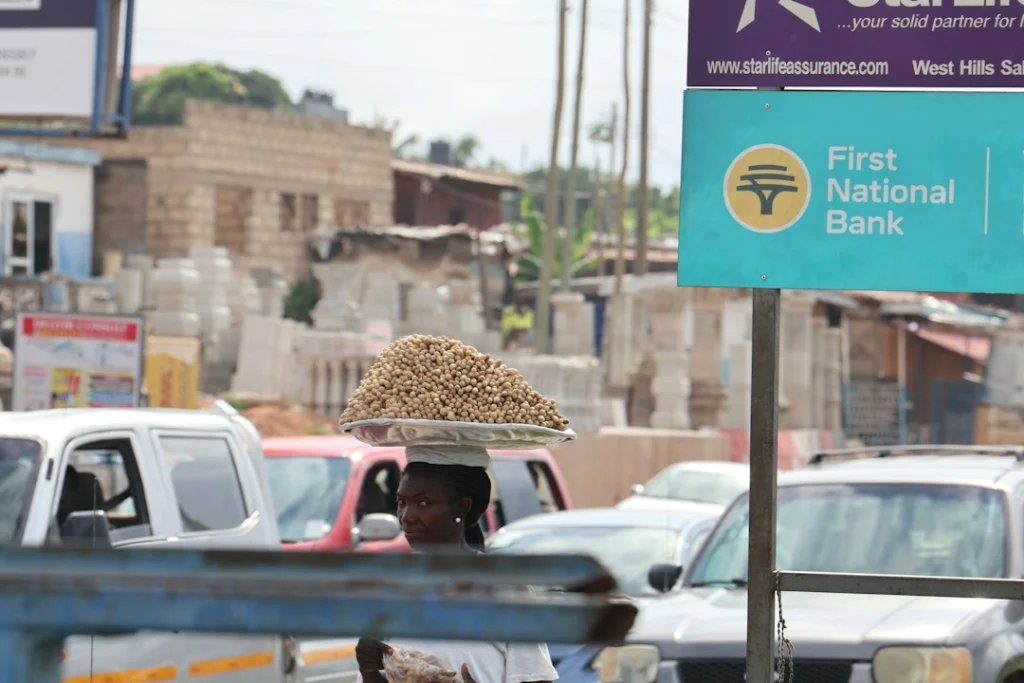
Business Loan Ghana solutions helping entrepreneurs and SMEs grow successfully
A business loan in Ghana provides financial support from banks, microfinance institutions, savings and loans companies, fintech platforms, and government-backed programmes. These loans help businesses access working capital, improve operations, create jobs, and contribute to national economic growth.
Many financial institutions in Ghana now offer flexible business loan packages designed for startups, women-owned businesses, SMEs, and established companies. Popular lenders such as GCB Bank Ghana, Absa Bank Ghana, and Fidelity Bank Ghana continue expanding their business financing services to support entrepreneurs across the country.
Business loans in Ghana are commonly used for:
- Business expansion
- Equipment purchases
- Inventory financing
- Working capital support
- Startup funding
- Vehicle and transportation financing
- Real estate and construction projects
The rise of digital banking and fintech companies has also made it easier for businesses to apply for loans online, access quick approvals, and manage repayments digitally. Financial technology platforms are helping improve financial inclusion and increasing access to funding for small businesses across Ghana.
Below are 10 detailed sections explaining business loans in Ghana, loan requirements, business financing opportunities, interest rates, repayment strategies, and the future of business financing in Ghana.
What Is a Business Loan in Ghana?
Many entrepreneurs now search for the best business loan Ghana options online.
A business loan in Ghana is a financial facility provided by banks, microfinance institutions, savings and loans companies, credit unions, and fintech platforms to help businesses finance operations, expansion projects, equipment purchases, inventory management, and working capital needs. Business loans play a major role in supporting entrepreneurs, startups, small and medium-sized enterprises (SMEs), and large corporations across Ghana’s growing economy.
As Ghana continues developing economically, many businesses require additional funding to remain competitive, improve productivity, and increase profitability. Entrepreneurs often seek business loans to open new branches, purchase machinery, hire employees, improve transportation, or invest in digital technologies. Without proper financing, many businesses struggle to expand and meet customer demand effectively.
Business loans in Ghana are available in different forms depending on the size of the business, repayment capacity, and intended use of the funds. Financial institutions assess applicants carefully before approving loans to ensure businesses can repay borrowed funds successfully.
Common types of business loans in Ghana include:
- SME loans
- Startup business loans
- Working capital loans
- Equipment financing loans
- Agricultural business loans
- Commercial property loans
- Trade financing facilities
One of the most important reasons businesses apply for loans is working capital support. Many businesses experience temporary cash flow shortages while waiting for customer payments or managing operational expenses. A business loan in Ghana helps companies maintain daily operations without interrupting business activities.
Banks and financial institutions usually require several documents before approving loans. These may include business registration certificates, financial statements, bank account records, tax identification numbers, collateral documents, and business plans. Some lenders may also evaluate the company’s credit history and repayment ability before issuing financing.
Several major financial institutions continue offering business financing services across Ghana. Banks such as GCB Bank Ghana and Absa Bank Ghana provide business loans designed to support SMEs, startups, and established companies operating in different sectors of the economy.
Business loans help companies invest in:
- Inventory and stock purchases
- Machinery and equipment
- Business expansion projects
- Employee salaries and operations
- Transportation and logistics
- Technology and digital systems
- Real estate and construction projects
The rise of digital banking and financial technology platforms is also transforming access to business loans in Ghana. Fintech companies now provide online loan applications, faster approvals, mobile banking services, and digital repayment systems that make financing more accessible to entrepreneurs.
Small and medium-sized enterprises are among the biggest beneficiaries of business loans in Ghana because SMEs contribute significantly to employment creation and economic growth nationwide. Many government initiatives and financial institutions continue promoting SME financing to support entrepreneurship and reduce unemployment.
Interest rates on business loans in Ghana vary depending on the lender, loan amount, repayment period, collateral requirements, and risk assessment. Businesses are encouraged to compare loan offers carefully before selecting financing options that suit their operational needs and repayment capacity.
A business loan in Ghana can significantly improve productivity and profitability when managed properly. However, poor financial management and excessive borrowing can create repayment difficulties and financial pressure for businesses. Entrepreneurs are advised to develop strong business plans and financial strategies before applying for loans.
Financial experts recommend businesses maintain accurate financial records, build positive banking relationships, and improve creditworthiness to increase their chances of loan approval. Proper financial planning also helps businesses use borrowed funds effectively for long-term growth.
The future of business financing in Ghana is expected to continue expanding due to digital transformation, fintech innovation, entrepreneurship growth, and increased financial inclusion across the country.
Useful external resources:
Internal links for your website:
- Best Business Opportunities in Ghana
- How Digital Banking Is Growing in Ghana
- Top Investment Opportunities in Africa
- How Technology Is Changing Businesses
- Top SMEs Driving Ghana’s Economy
Types of Business Loans Available in Ghana
Choosing the right business loan Ghana provider can improve business growth.
Businesses in Ghana have access to different types of financing options depending on their operational needs, business size, industry, and repayment capacity. Financial institutions, microfinance companies, savings and loans firms, and fintech platforms continue expanding loan products to support entrepreneurs, startups, SMEs, and large corporations across the country. Understanding the different types of business loan in Ghana is important because each financing option is designed for specific business purposes and financial goals.
One of the most common financing options is the SME loan. Small and medium-sized enterprises often require financial support to expand operations, purchase inventory, improve technology, or hire additional employees. SME loans are specifically designed to help small businesses access working capital and improve productivity.
Startup business loans are another important financing category. Many young entrepreneurs in Ghana require funding to launch new businesses, develop products, rent office spaces, and market their services. Startup financing helps businesses establish operations and compete in growing industries such as technology, agriculture, retail, and logistics.
Working capital loans are widely used by businesses experiencing temporary cash flow shortages. These loans help companies cover operational expenses such as salaries, rent, transportation, inventory purchases, and utility bills. A business loan in Ghana designed for working capital support helps businesses maintain smooth operations without financial interruptions.
Popular types of business loans in Ghana include:
- SME loans
- Startup business loans
- Working capital loans
- Equipment financing loans
- Agricultural business loans
- Trade financing facilities
- Commercial property loans
Equipment financing loans help businesses purchase machinery, vehicles, manufacturing tools, computers, and other equipment required for operations. Industries such as construction, transportation, agriculture, and manufacturing often rely heavily on equipment financing to improve productivity and efficiency.
Several major financial institutions continue offering specialized business financing solutions across Ghana. Banks such as Fidelity Bank Ghana and Republic Bank Ghana provide business loan packages for startups, SMEs, corporate organizations, and commercial enterprises.
Agricultural business loans are also becoming increasingly important in Ghana’s economy. Farmers, agribusiness companies, poultry farms, and food processing businesses often require financing for seeds, fertilizers, machinery, irrigation systems, and transportation. Agricultural financing helps improve food production and supports rural economic development.
Trade financing facilities support importers, exporters, wholesalers, and retail businesses involved in local and international trade. These loans help businesses purchase goods, manage inventory, and finance trade transactions efficiently.
Commercial property loans are used by businesses investing in office buildings, warehouses, shopping centers, factories, and real estate projects. Real estate developers and commercial investors often rely on long-term financing to support construction and property expansion.
Digital lending platforms and fintech companies are also transforming access to business loans in Ghana. Many online lenders now offer faster application processes, digital approvals, and mobile repayment systems that improve financial accessibility for entrepreneurs nationwide.
Interest rates, collateral requirements, repayment periods, and approval conditions vary depending on the lender and loan type. Businesses are encouraged to compare financing options carefully before selecting the most suitable business loan in Ghana for their operational needs.
Financial experts advise businesses to maintain proper financial records, develop strong business plans, and improve creditworthiness to increase their chances of securing favourable loan terms and repayment conditions.
Useful external resources:
Internal links for your website:
- Best Business Opportunities in Ghana
- How Digital Banking Is Growing in Ghana
- Top Investment Opportunities in Africa
- How Technology Is Changing Businesses
- Top SMEs Driving Ghana’s Economy
Requirements for Getting a Business Loan in Ghana
Getting a business loan in Ghana requires businesses to meet certain financial, legal, and operational conditions set by banks, microfinance institutions, fintech companies, and savings and loans providers. Financial institutions carefully evaluate loan applicants before approving financing to ensure borrowers can repay the funds successfully. Understanding the requirements for obtaining a business loan in Ghana is important for entrepreneurs and companies seeking financial support for expansion, operations, equipment purchases, or working capital.
One of the most important requirements for securing a business loan in Ghana is business registration. Most financial institutions require businesses to be legally registered with the appropriate authorities before applying for financing. Registered businesses are considered more credible and trustworthy by lenders.
Financial records are also essential during the loan application process. Banks and lenders usually request documents such as bank statements, income records, cash flow reports, balance sheets, and profit-and-loss statements. These documents help lenders evaluate the financial health and repayment ability of the business.
A strong business plan is another key requirement for obtaining a business loan in Ghana. Business plans explain the company’s objectives, operational strategy, target market, revenue projections, and how the loan funds will be used. A detailed business plan increases lender confidence and improves the chances of loan approval.
Common requirements for business loans in Ghana include:
- Business registration certificate
- Valid national identification documents
- Bank account statements
- Business financial records
- Tax identification number (TIN)
- Business plan and cash flow projections
- Collateral or security documents
Collateral is often required for larger business loans. Financial institutions may request land documents, buildings, vehicles, machinery, or other valuable assets as security before approving financing. Collateral reduces lending risks for banks and improves the borrower’s chances of securing higher loan amounts.
Several financial institutions in Ghana continue supporting businesses through flexible financing solutions. Banks such as CalBank Ghana and Access Bank Ghana offer business loan products designed for SMEs, startups, and corporate organizations across different industries.
Credit history and repayment behaviour are also important factors lenders consider during loan assessments. Businesses with good repayment records and stable banking relationships are more likely to receive favourable loan terms and lower interest rates.
Tax compliance is another major requirement for obtaining a business loan in Ghana. Many lenders require businesses to provide valid tax records and tax identification numbers to confirm compliance with Ghana’s tax regulations. Proper tax compliance improves business credibility and financial transparency.
Digital lending platforms and fintech companies are helping simplify loan application processes by offering online applications, digital document submissions, and faster approvals. This has improved financial inclusion and increased access to business financing for entrepreneurs nationwide.
Businesses operating in sectors such as agriculture, technology, manufacturing, transportation, retail, and construction often require different types of financial support depending on operational needs and growth strategies. Some lenders also provide specialised loan products for women-owned businesses and youth entrepreneurship programmes.
Interest rates, repayment periods, and loan conditions vary depending on the lender, business size, industry risk, and loan amount requested. Entrepreneurs are encouraged to compare loan offers carefully and evaluate repayment obligations before accepting financing agreements.
Financial experts advise businesses to maintain accurate financial records, build positive credit histories, and strengthen banking relationships to improve their chances of securing a business loan in Ghana successfully.
Useful external resources:
Internal links for your website:
- Best Business Opportunities in Ghana
- How Digital Banking Is Growing in Ghana
- Top Investment Opportunities in Africa
- How Technology Is Changing Businesses
- Top SMEs Driving Ghana’s Economy
Best Banks and Financial Institutions Offering Business Loans in Ghana
Business Loan Ghana solutions helping entrepreneurs and SMEs grow successfully
Several banks and financial institutions in Ghana provide business financing solutions to support entrepreneurs, startups, SMEs, and large companies across different industries. As Ghana’s economy continues expanding, financial institutions are increasing their support for businesses through flexible loan packages, digital banking services, and specialised financing programmes designed to promote economic growth and entrepreneurship.
Choosing the right lender is extremely important when applying for a business loan in Ghana because interest rates, repayment terms, collateral requirements, and approval conditions vary between financial institutions. Businesses are encouraged to compare financing options carefully before selecting suitable lenders for their operational needs.
One of the leading banks providing business loans in Ghana is GCB Bank Ghana. GCB Bank offers SME loans, working capital financing, trade finance solutions, and corporate business loans for companies operating in sectors such as agriculture, manufacturing, retail, transportation, and construction.
Ecobank Ghana is also widely recognized for supporting entrepreneurs and SMEs through flexible business financing products. Ecobank provides digital banking services, trade financing, and commercial loans designed to support business growth across Ghana and Africa.
Popular financial institutions offering business loans in Ghana include:
- GCB Bank Ghana
- Ecobank Ghana
- Fidelity Bank Ghana
- Absa Bank Ghana
- Stanbic Bank Ghana
- Republic Bank Ghana
- Access Bank Ghana
Fidelity Bank Ghana continues expanding business financing solutions for SMEs and startups through flexible loan products and digital financial services. The bank also supports agribusinesses, women entrepreneurs, and youth-owned enterprises across Ghana.
Stanbic Bank Ghana provides business loans, equipment financing, trade finance services, and investment support for corporate organisations and growing businesses. Stanbic Bank is known for supporting businesses involved in international trade and large-scale commercial projects.
Microfinance institutions and savings and loans companies also play an important role in business financing across Ghana. These institutions help small businesses and informal entrepreneurs access credit more easily, especially in rural and underserved communities.
Digital fintech platforms are transforming access to business loans in Ghana through online applications, mobile banking systems, and faster loan approvals. Fintech companies help reduce traditional banking barriers and improve financial inclusion for small businesses and startups.
Businesses applying for a business loan in Ghana should consider factors such as:
- Interest rates
- Repayment periods
- Loan processing speed
- Collateral requirements
- Digital banking services
- Customer support quality
- Industry specialization
Several financial institutions also offer government-backed SME financing programs to support entrepreneurship, youth employment, and local business development. These programs help businesses access funding with more flexible conditions and lower collateral requirements.
Agricultural financing remains one of the fastest-growing areas of business lending in Ghana due to increased investments in food production, agribusiness, and export opportunities. Banks continue supporting farmers and agricultural companies through specialized financing packages.
Financial experts advise businesses to maintain good banking relationships, improve financial management practices, and build strong credit histories to increase their chances of securing favorable business loan terms in Ghana.
Useful external resources:
Internal links for your website:
- Best Business Opportunities in Ghana
- How Digital Banking Is Growing in Ghana
- Top Investment Opportunities in Africa
- How Technology Is Changing Businesses
- Top SMEs Driving Ghana’s Economy
Business Loan Requirements in Ghana
To qualify for a business loan in Ghana, applicants must meet certain requirements set by banks, microfinance institutions, and online lenders. These requirements help lenders determine whether the borrower can repay the loan successfully. Understanding these conditions before applying can improve your chances of getting approved quickly.
Valid Identification Documents
Most financial institutions in Ghana require valid identification before processing a business loan application. Accepted IDs usually include:
- Ghana Card
- Passport
- Driver’s Licence
- Voter’s ID
These documents help confirm the borrower’s identity and prevent fraud during the application process.
Proof of Business Registration
Lenders often request proof that the business is legally registered in Ghana. Business owners may need to provide the following:
- Registrar General’s Department certificate
- Tax Identification Number (TIN)
- Business operating permits
- Company profile
Registered businesses are generally considered more trustworthy and organised by lenders.
Bank Statements and Financial Records
Financial institutions usually review bank statements and financial records to evaluate business performance. Applicants may need to provide:
- 3–12 months’ bank statements
- Sales records
- Profit and loss statements
- Cash flow reports
These documents help lenders determine whether the business generates enough income to repay the loan.
Business Plan
A strong business plan is important when applying for larger business loans in Ghana. The plan should explain:
- Business goals
- Products or services
- Target market
- Revenue projections
- Loan repayment strategy
A detailed business plan increases confidence among lenders and investors.
Collateral Requirements
Some banks require collateral before approving a business loan. Collateral may include:
- Land or property
- Vehicles
- Equipment
- Fixed deposits
Collateral helps reduce risk for the lender. However, some microfinance companies and digital lenders now offer unsecured business loans in Ghana.
Credit History Check
Many lenders check the applicant’s credit history before approving financing. A good repayment history can improve approval chances and lead to better interest rates.
Borrowers with poor credit records may face the following:
- Higher interest rates
- Smaller loan amounts
- Loan rejection
Maintaining good financial discipline is essential for future borrowing opportunities.
Business Age and Stability
Some lenders prefer businesses that have operated for at least 6 months to 2 years. Stable businesses with consistent income are viewed as lower-risk borrowers.
Startups can still qualify for some business loans, especially from:
- Government programs
- Youth entrepreneurship funds
- Startup financing companies
Guarantor Information
Certain lenders may require guarantors who can support the loan application. Guarantors provide additional security if the borrower fails to repay the loan.
Tax Compliance
Businesses applying for larger financing may need to show tax compliance certificates from the Ghana Revenue Authority (GRA). This demonstrates that the business operates legally and pays taxes appropriately.
Why Meeting Loan Requirements Matters
Meeting all business loan Ghana requirements increases the likelihood of:
- Faster loan approval
- Higher loan amounts
- Lower interest rates
- Flexible repayment options
Business owners should prepare all documents carefully before applying to avoid delays or rejection.
Best Banks and Financial Institutions for Business Loans in Ghana
Finding the right lender is very important when applying for a business loan in Ghana. Different banks and financial institutions offer various loan packages designed for startups, SMEs, and large businesses. Choosing the right institution can help business owners access flexible repayment plans, lower interest rates, and faster approvals.
Agricultural Development Bank (ADB)
The Agricultural Development Bank is one of the leading banks supporting businesses in Ghana, especially in agriculture and small business development.
ADB offers:
- SME business loans
- Agricultural financing
- Equipment financing
- Working capital support
The bank is known for supporting entrepreneurs in farming, food processing, and agribusiness sectors.
GCB Bank PLC
GCB Bank PLC provides business financing solutions for startups and established companies across Ghana.
Popular business loan products include:
- SME loans
- Trade financing
- Asset financing
- Overdraft facilities
GCB Bank has branches across the country, making it accessible for many business owners.
Ecobank Ghana
Ecobank Ghana is widely recognised for its digital banking solutions and SME support programmes.
Business owners can access the following:
- Quick business loans
- Mobile banking services
- Cross-border trade financing
- Women’s entrepreneur support programs
Ecobank is popular among businesses involved in regional and international trade.
Absa Bank Ghana
Absa Bank Ghana offers flexible financing solutions for growing businesses.
Its loan services include:
- Startup financing
- Business expansion loans
- Vehicle and equipment financing
- Invoice discounting
The bank also provides financial advisory services to entrepreneurs.
Fidelity Bank Ghana
Fidelity Bank Ghana supports SMEs with customised loan packages and digital banking services.
Key benefits include the following:
- SME growth financing
- Flexible repayment plans
- Fast approval process
- Mobile banking access
Fidelity Bank is becoming a preferred option for many young entrepreneurs in Ghana.
Stanbic Bank Ghana
Stanbic Bank Ghana provides business loans targeted at medium and large enterprises.
Their financing options include:
- Trade finance
- Corporate business loans
- Asset financing
- Working capital support
Stanbic Bank also supports businesses through financial education and investment guidance.
Microfinance Institutions in Ghana
Many small businesses in Ghana rely on microfinance companies for quick and accessible funding.
Popular microfinance lenders include the following:
- Sinapi Aba Savings and Loans
- Opportunity International Savings and Loans
- Bayport Savings and Loans
Microfinance institutions often provide the following:
- Faster approvals
- Smaller loan amounts
- Flexible collateral requirements
These lenders are ideal for small traders, market women, and startup entrepreneurs.
Online Loan Platforms in Ghana
Digital lending platforms are becoming increasingly popular because of their speed and convenience.
Some online lenders provide:
- Instant mobile loans
- Short-term business financing
- Minimal paperwork
- Mobile money disbursement
These platforms are useful for businesses needing urgent working capital.
Government Business Loan Support Programs
The Ghanaian government also supports entrepreneurs through various funding initiatives.
Programs may include:
- Youth entrepreneurship funding
- Women-owned business grants
- Startup support schemes
- Agricultural financing programs
These initiatives help boost local businesses and reduce unemployment.
Choosing the Best Business Loan Provider
Before selecting a lender, business owners should compare:
- Interest rates
- Repayment terms
- Processing fees
- Loan approval speed
- Customer support quality
Choosing the right business loan Ghana provider can significantly improve business growth and financial stability.
How to Improve Your Chances of Getting a Business Loan in Ghana
Getting approved for a business loan in Ghana can sometimes be challenging, especially for startups and small businesses. Many applications are rejected because of poor financial records, weak business plans, or lack of preparation. However, business owners can increase their approval chances by following the right strategies before applying for financing.
Maintain Good Financial Records
One of the most important factors lenders consider is financial management. Businesses with organised financial records are viewed as more reliable and trustworthy.
Important records include:
- Sales reports
- Profit and loss statements
- Bank statements
- Cash flow records
- Tax payment history
Keeping accurate records helps lenders understand the financial health of the business.
Build a Strong Business Plan
A professional business plan greatly improves the chances of securing funding. The plan should clearly explain:
- Business goals
- Products or services
- Target market
- Marketing strategies
- Expected revenue
- Repayment plan
A detailed plan shows lenders that the entrepreneur understands the business and has a strategy for growth.
Improve Your Credit Score
A good credit history increases trust between borrowers and lenders. Businesses and individuals with strong repayment records are more likely to receive larger loan amounts and lower interest rates.
To improve your credit profile:
- Pay existing loans on time
- Avoid excessive borrowing
- Clear overdue debts
- Maintain stable bank transactions
Good financial discipline can open doors to better financing opportunities in Ghana.
Register Your Business Properly
Many financial institutions prefer dealing with registered businesses. Entrepreneurs should ensure their businesses are registered with the Registrar General’s Department and have valid tax identification numbers.
A legally registered business appears more professional and credible to lenders.
Separate Personal and Business Finances
Using one account for both personal and business expenses can create confusion during loan evaluations. Business owners should maintain separate business bank accounts to show clear financial activity.
This helps lenders analyse:
- Monthly business income
- Expenses
- Profitability
- Cash flow consistency
Start with Smaller Loans
New businesses may find it easier to qualify for smaller loans first. Successfully repaying small loans can help build trust and improve future borrowing opportunities.
Microfinance institutions and mobile loan platforms are often good starting points for small businesses.
Offer Collateral if Possible
Providing collateral can increase approval chances, especially for larger business loans. Assets such as land, vehicles, equipment, or savings accounts can serve as security.
Collateral reduces the lender’s risk and may also help borrowers negotiate lower interest rates.
Maintain Consistent Business Operations
Lenders prefer stable businesses with regular income. Businesses that operate consistently over time are considered less risky.
Business owners should focus on the following:
- Stable sales growth
- Customer retention
- Consistent cash flow
- Proper inventory management
Strong business performance improves financing opportunities.
Choose the Right Loan Provider
Different lenders have different requirements and approval processes. Entrepreneurs should compare multiple banks and financial institutions before applying.
Factors to compare include:
- Interest rates
- Loan processing speed
- Repayment flexibility
- Customer support
- Collateral requirements
Applying to the right lender can increase approval success significantly.
Prepare All Documents Before Applying
Incomplete applications often lead to delays or rejection. Before applying for a business loan in Ghana, ensure all required documents are ready.
Common documents include:
- Valid ID card
- Business registration certificate
- Bank statements
- Business plan
- Tax records
- Collateral documents
Being fully prepared makes the loan process smoother and faster.
Common Mistakes to Avoid When Applying for a Business Loan in Ghana
Business Loan Ghana solutions helping entrepreneurs and SMEs grow successfully
Applying for a business loan in Ghana can help entrepreneurs grow their businesses, expand operations, purchase equipment, or improve cash flow. However, many business owners make costly mistakes during the application process that lead to loan rejection, financial stress, or repayment difficulties. Understanding these common mistakes can help entrepreneurs improve their chances of approval and manage their loans successfully.
One of the biggest mistakes business owners make is applying for a loan without a proper business plan. Many lenders in Ghana want to see a clear strategy showing how the business operates, generates income, and plans to repay the loan. A weak or incomplete business plan can make lenders lose confidence in the borrower. Entrepreneurs should prepare detailed plans that explain business goals, target customers, marketing strategies, expected profits, and repayment methods.
Another major mistake is poor financial record keeping. Many small businesses in Ghana fail to maintain accurate financial records, making it difficult for lenders to evaluate business performance. Without proper bank statements, sales reports, profit records, and expense tracking, lenders may assume the business is unstable. Keeping organised financial records improves trust and increases approval chances.
Some entrepreneurs also apply for loans without understanding the loan terms and conditions. This can lead to serious repayment problems later. Before accepting any business loan Ghana offer, borrowers should carefully review the following:
- Interest rates
- Repayment schedules
- Processing fees
- Penalties for late payment
- Collateral requirements
Understanding these terms helps business owners avoid unexpected financial pressure.
Borrowing more money than necessary is another common mistake. Some business owners apply for very large loans without realistic repayment plans. Excessive borrowing can create debt burdens that negatively affect business operations. Entrepreneurs should only borrow amounts they genuinely need and can comfortably repay based on business income.
Using business loans for personal expenses is also a serious problem. Some borrowers divert loan funds into personal spending instead of investing in the business. This weakens cash flow and increases the risk of loan default. Business loans should be used strictly for business growth, inventory purchases, equipment, expansion, or operational needs.
Ignoring credit history is another mistake that affects loan approval. Many lenders in Ghana check credit records before approving financing. Poor repayment history, unpaid debts, or loan defaults can reduce approval chances significantly. Business owners should work on improving their credit profiles by paying bills and previous loans on time.
Some entrepreneurs submit incomplete loan applications. Missing documents such as business registration certificates, identification cards, tax records, or bank statements can delay processing or lead to rejection. Preparing all required documents before applying helps speed up the approval process.
Choosing the wrong lender can also create financial difficulties. Different banks and financial institutions offer different loan products, interest rates, and repayment conditions. Some business owners rush into loans without comparing options. It is important to research multiple lenders and choose one that offers flexible and affordable repayment terms.
Another common mistake is failing to calculate repayment capacity. Entrepreneurs should carefully evaluate whether the business generates enough monthly income to handle loan repayments comfortably. Taking loans without proper financial planning can lead to default and damage the business reputation.
Finally, many businesses fail to seek professional financial advice before applying for financing. Consulting accountants, business advisors, or financial experts can help entrepreneurs understand loan requirements, improve applications, and choose the best financing solutions.
Avoiding these mistakes can significantly improve the chances of securing a business loan in Ghana successfully while protecting the long-term financial stability of the business.
Benefits of Business Loans for Entrepreneurs in Ghana
A business loan in Ghana can play a major role in helping entrepreneurs grow and sustain their businesses. In today’s competitive economy, many businesses require financial support to expand operations, purchase equipment, manage cash flow, and increase productivity. Business loans provide entrepreneurs with the capital needed to achieve their goals and remain competitive in the market.
One of the biggest benefits of business loans is access to startup capital. Many entrepreneurs in Ghana have great business ideas but lack the funds needed to launch their ventures. Business loans help cover startup costs such as:
- Renting office or shop space
- Purchasing equipment
- Buying inventory
- Marketing and advertising
- Hiring employees
Without financial support, many businesses may struggle to begin operations successfully.
Business loans also help companies expand their operations. As businesses grow, they often need additional capital to open new branches, purchase more products, or increase production capacity. Access to financing allows entrepreneurs to take advantage of growth opportunities without waiting years to save enough money.
Another major advantage of a business loan in Ghana is improved cash flow management. Many businesses experience periods where expenses are high while customer payments are delayed. Loans can help businesses manage operational costs during difficult periods, ensuring salaries, rent, and supplier payments are handled on time.
Business financing also allows companies to purchase modern equipment and technology. Upgrading equipment can improve productivity, increase efficiency, and reduce operational costs. Businesses using modern technology are often more competitive and better positioned for long-term success.
For small businesses in Ghana, loans can help build credibility and financial history. Successfully repaying business loans improves creditworthiness and creates stronger relationships with banks and financial institutions. This can make it easier to secure larger financing opportunities in the future.
Another important benefit is job creation. When businesses receive financial support and expand successfully, they often hire more workers. This contributes to economic growth and helps reduce unemployment in Ghana. Many government and private sector loan programmes are designed specifically to support youth entrepreneurship and small business development.
Business loans also help entrepreneurs respond quickly to market opportunities. Sometimes businesses need immediate funds to purchase discounted inventory, invest in seasonal demand, or launch new products. Having access to financing enables companies to act fast and stay ahead of competitors.
In addition, many financial institutions in Ghana now offer flexible repayment plans tailored to business needs. Some lenders provide:
- Monthly repayment schedules
- Seasonal repayment options
- Grace periods
- Low-interest SME financing
These flexible options make it easier for businesses to manage repayments without affecting daily operations.
Another key benefit is business stability during economic challenges. During periods of inflation, market slowdown, or unexpected emergencies, loans can help businesses survive and continue operating. Access to emergency funding can protect businesses from closure and help maintain customer trust.
Business loans can also improve inventory management. Retailers and wholesalers often need large quantities of stock to meet customer demand. Financing allows businesses to maintain sufficient inventory levels, especially during festive seasons and high-demand periods.
Furthermore, women entrepreneurs and young business owners in Ghana now have access to specialised loan programmes designed to promote financial inclusion. Many banks and government agencies offer special funding opportunities for women-owned businesses and startups.
Finally, business loans contribute significantly to national economic development. When businesses grow, they pay taxes, create jobs, increase production, and support local communities. This makes business financing an important tool for both entrepreneurs and the overall Ghanaian economy.
For entrepreneurs looking to scale their operations, increase profitability, and achieve long-term success, securing the right business loan in Ghana can be a powerful financial solution.
Final Thoughts on Business Loans in Ghana
A reliable Business Loan Ghana can help companies expand operations faster.
A business loan in Ghana can be one of the most powerful financial tools for entrepreneurs looking to grow, stabilise, or expand their businesses. Whether you operate a small startup, retail shop, online business, agricultural company, or large enterprise, access to funding can help you overcome financial challenges and unlock new opportunities for success.
In Ghana’s growing economy, many entrepreneurs face difficulties such as limited startup capital, unstable cash flow, high operational costs, and limited access to equipment. Business loans help bridge these financial gaps and provide the resources needed to compete in the modern business environment. From purchasing inventory and upgrading technology to hiring workers and expanding into new markets, financing can accelerate business growth significantly.
However, before applying for a business loan in Ghana, entrepreneurs should carefully assess their financial needs and repayment abilities. Borrowing responsibly is extremely important. Business owners should avoid taking loans they cannot manage comfortably. A well-planned loan strategy can improve business productivity, while poor financial planning can create unnecessary debt and financial pressure.
It is also important to compare different lenders before making a final decision. Banks, microfinance institutions, and online lenders in Ghana offer different loan packages, interest rates, repayment terms, and collateral requirements. Entrepreneurs should choose financing solutions that align with their business goals and cash flow capacity.
Another key factor in successful borrowing is maintaining proper financial records. Businesses with organised accounts, stable cash flow, and strong credit history usually have better chances of receiving loan approvals with favourable terms. Financial discipline not only improves approval rates but also strengthens long-term business credibility.
Government programs and SME support initiatives are also creating more opportunities for entrepreneurs in Ghana. Many youth-owned businesses, women entrepreneurs, and startups now have access to funding support programmes designed to encourage innovation and economic growth. These opportunities continue to help many small businesses succeed in competitive industries.
Digital lending platforms are also changing the business financing landscape in Ghana. Today, many entrepreneurs can apply for loans online using mobile phones and receive quick approvals without visiting physical bank branches. This has made access to financing faster and more convenient for small business owners across the country.
Despite the many benefits of business loans, entrepreneurs must avoid common mistakes such as the following:
- Applying without a business plan
- Poor financial management
- Using business loans for personal expenses
- Ignoring repayment schedules
- Choosing the wrong lender
Careful planning and responsible borrowing are essential for long-term business success.
Business Loan Ghana solutions helping entrepreneurs and SMEs grow successfully
Below are 20 top business, banking, entrepreneurship, and financial websites that provide valuable information, loan opportunities, SME support, investment advice, and business resources for entrepreneurs in Ghana and around the world:
- GCB Bank Ghana
- Ecobank Ghana
- Absa Bank Ghana
- Fidelity Bank Ghana
- Stanbic Bank Ghana
- Agricultural Development Bank Ghana
- Bank of Ghana
- Ghana Revenue Authority
- Registrar General’s Department, Ghana
- National Board for Small Scale Industries
- Opportunity International Savings and Loans
- Sinapi Aba Savings and Loans
- Bayport Ghana
- Forbes Business
- Entrepreneur Magazine
- Bloomberg Business
- Investopedia
- World Bank SME Finance
- International Finance Corporation
- African Development Bank
With the right financial planning, responsible borrowing habits, and smart investment strategies, a business loan in Ghana can help entrepreneurs achieve sustainable growth, increase profits, and build successful businesses for the future.
FAQ
What is a business loan in Ghana?
A business loan in Ghana is financial support provided by banks or lenders to help businesses grow, manage operations, or expand.
Which bank gives the best business loans in Ghana?
Popular options include GCB Bank PLC, Ecobank Ghana, Absa Bank Ghana, and Fidelity Bank Ghana.
Can startups get business loans in Ghana?
Yes. Many banks, microfinance institutions, and government programmes support startups and small businesses in Ghana.
What documents are needed for a business loan?
Most lenders require:
-
Ghana Card
-
Business registration certificate
-
Bank statements
-
Business plan
-
Tax records











Leave a Reply