

King Ayisoba’s Grammy Nomination Puts Ghanaian Traditional Music on the Global Stage
Ghanaian musicians King Ayisoba and Rocky Dawuni have earned international recognition after their collaboration, “No Tradition, No Africa”, received a nomination in the Best African Music Performance category at the 2027 Grammy Awards. The nomination has renewed attention on Ghana’s indigenous sounds and the ability of traditional music to connect with listeners beyond the country’s borders.

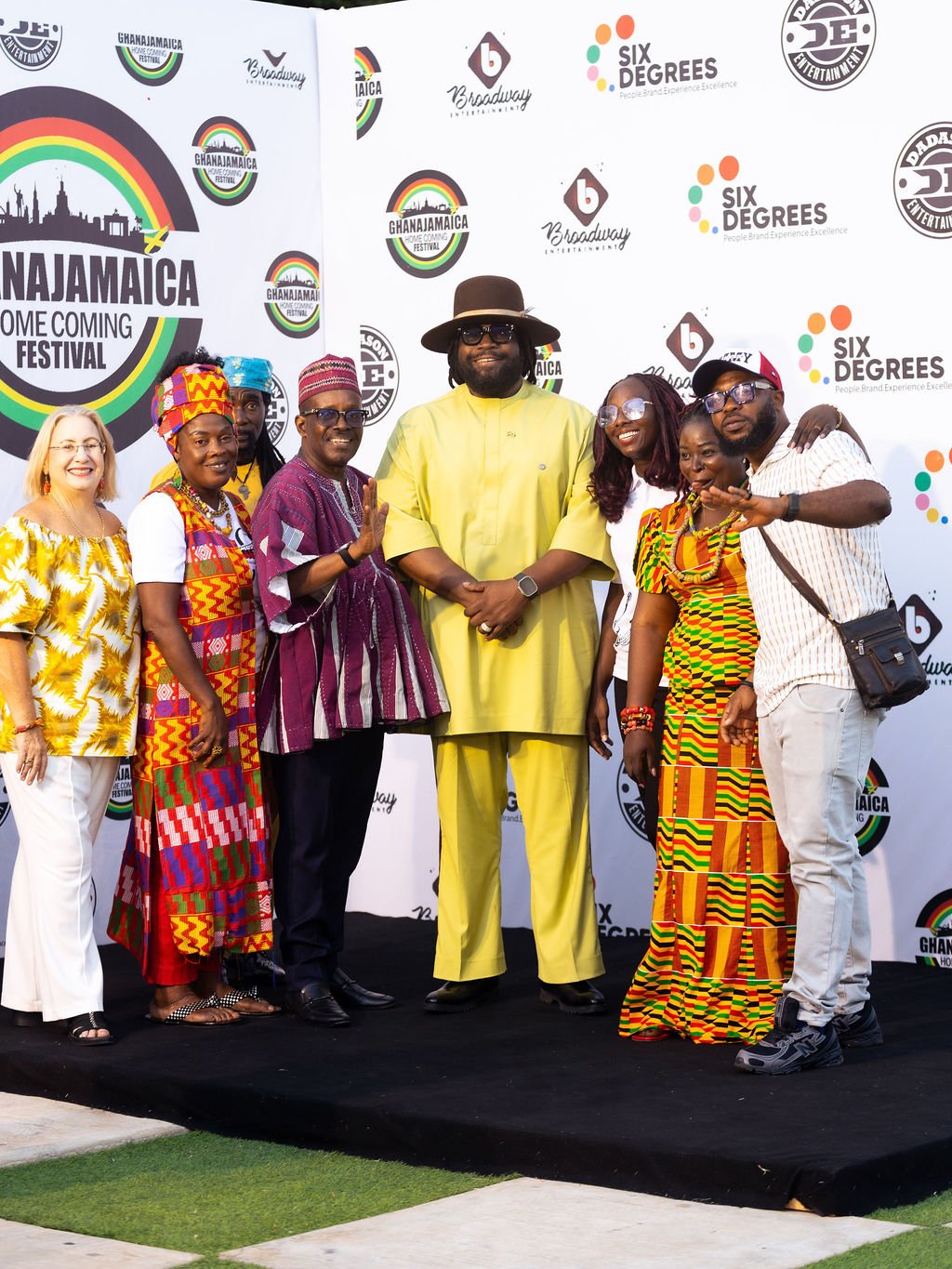
King Ayisoba’s Grammy-nominated collaboration brings indigenous Ghanaian sounds into international focus. Use a licensed artist photo for the final article.
For King Ayisoba, the recognition is a major career milestone. Known for his distinctive kologo-based sound, storytelling and energetic performances, the musician has built a profile around music that draws strongly from northern Ghanaian cultural traditions. Rocky Dawuni, a globally recognised Afro-roots musician and Ghana’s Cultural Ambassador, brings an international audience and a long history of Grammy recognition to the collaboration.
A collaboration rooted in identity
“No Tradition, No Africa” combines the musical identities of the two artistes and places cultural heritage at the centre of its message. The song’s title itself invites listeners to consider how traditions, languages, rhythms and community histories shape African identity.
Traditional instruments and musical forms are not simply historical artefacts. They can be used in contemporary recording, live performance, cross-genre collaboration and international touring. When musicians preserve the character of an indigenous sound while presenting it in a modern production, they can introduce unfamiliar traditions to new audiences without abandoning their roots.
The Grammy nomination gives the collaboration a wider platform, but the cultural value of the song does not depend only on whether it wins. It also creates a conversation about how Ghanaian artistes can protect, document and share traditional music.
What the nomination means for Ghana’s music industry
International awards can attract attention from media, promoters, streaming listeners and music-industry professionals. For Ghana, a nomination in an African music category can help reinforce the country’s position as a source of diverse musical styles—not only Afrobeats, dancehall, highlife and hip-hop, but also traditional and roots-based music.
The opportunity is particularly relevant for younger musicians. Ghana’s music scene contains a broad range of sounds, languages and regional influences. Artists who experiment with local instruments, indigenous storytelling or regional rhythms can create distinctive work in a crowded global market.
However, visibility must be supported by professional structures. Artists need reliable distribution, metadata, rights management, marketing, booking support and access to international networks. A Grammy moment can open a door, but long-term careers are built through consistent releases, live performances and business planning.
Traditional music and the digital audience
Streaming platforms make it possible for listeners to discover songs from Ghana without needing to hear them first on local radio. Playlists, short-form video, artist pages, interviews and live clips can help a traditional song reach a listener in another country.
The challenge is to turn curiosity into deeper engagement. Music publishers, broadcasters and cultural organisations can create interviews and explainers that introduce the instrument, language, themes and cultural background behind a song. Such content can make music more meaningful to audiences who may not understand the lyrics or recognise the instruments.
Radio remains important in this process. Presenters can give traditional music context, interview the artistes and introduce listeners to related performers. Digital radio and podcasts can extend those programmes to the diaspora and international audiences.
King Ayisoba’s Grammy-nominated collaboration brings indigenous Ghanaian sounds into international focus. Use a licensed artist photo for the final article.
A nomination, not a guaranteed win
The collaboration is nominated in the Best African Music Performance category alongside other major African artistes and releases. A nomination is a significant achievement, but it should not be presented as a Grammy win. The awards outcome will be determined later through the Grammy process.
Fans can support the artistes by listening through legitimate platforms, sharing official music links, attending performances and following verified announcements. Avoid misinformation about voting or award results, especially claims that a public online poll determines the final Grammy outcome.
What fans should watch
The nomination could lead to increased interviews, performances, international media coverage and renewed interest in the artists’ catalogues. It also provides a timely opportunity for Ghanaian music outlets to profile the kologo tradition, discuss Rocky Dawuni’s Afro-roots journey and highlight other musicians who preserve indigenous sounds.
The central story is bigger than an awards nomination: Ghanaian cultural music is reaching global audiences, and the industry has an opportunity to build on that attention.
Why cultural identity is commercially valuable
Music with a strong cultural identity can stand out in an international marketplace where listeners encounter thousands of new releases. An instrument, language, rhythm or storytelling tradition can give a song a recognisable character. That distinctiveness can be an artistic strength and a marketing asset when it is presented with care.
The industry should resist the idea that traditional sounds must be simplified or diluted to travel. Instead, artists, producers and cultural researchers can help explain the music’s origins and context. Interviews, behind-the-scenes videos, live sessions and educational content can deepen listeners’ interest and encourage them to explore related artistes.
The work behind international recognition
A global nomination often reflects many layers of work: songwriting, production, performance, distribution, promotion, collaboration and professional administration. Ghanaian musicians who want to expand internationally need access to accurate credits, rights registration, distribution planning and clear agreements with collaborators. These details may be less visible than the performance, but they help protect the value of the music.
Managers and labels can also prepare press materials in multiple formats, including artist biographies, high-quality photos, track information, interview availability and links to official listening platforms. This makes it easier for journalists, promoters and curators to cover the release accurately.
A platform for the wider music community
The nomination can open conversations about other traditional and roots-based musicians in Ghana. Media outlets can explore regional instruments, styles and artists who are building audiences outside the mainstream. Broadcasters, festivals and cultural institutions can programme these acts alongside contemporary genres, helping audiences discover a wider musical landscape.
Fans should follow official Grammy updates and artist announcements. The award outcome remains pending, so headlines should distinguish nomination from victory. Accurate reporting protects the artistes’ credibility and lets the achievement speak for itself.
How media can cover the nomination responsibly
Entertainment publishers should use the nomination to explain the music and artistes rather than repeating a headline. A strong profile can include an authorised interview, the song’s official listening link, the musicians’ background, the instrument and sound, and what the category recognises. Editors should verify award category details from the official Grammy announcement and avoid claims that a nomination guarantees a win or a particular commercial result. This kind of context makes the story more useful to fans and supports the musicians’ work.

















Leave a Reply