


Ghana’s reported €323 million financing package for water supply in Tamale, Yendi and Damongo is a major public-infrastructure story because reliable water affects household budgets, public health, schools, clinics and local businesses. The announcement appeared in Graphic Online’s October 16 news coverage. For residents, the central question is not only how much financing has been secured, but how the projects will translate into dependable water at taps and public collection points.
This report explains the practical questions communities can ask as the work progresses. It does not assume that every project component has already been built or that every household will receive a connection immediately. The financing announcement is a starting point; implementation, timelines and transparent reporting will determine the benefit people experience.
Why water investment matters
When water supply is unreliable, families may spend time and money collecting water, while restaurants, salons, small manufacturers and other businesses must plan around interruptions. Schools and health facilities also need safe water for sanitation and daily operations. A large infrastructure package can support long-term improvements, but the real measure of success is whether service becomes more reliable, accessible and affordable.
Graphic Online reported on October 16 that Ghana had secured €323 million to tackle water shortages in the three northern towns. Readers should consult the original report and official project communications for the precise financing structure, implementation partners, project components and timetable: Graphic Online’s latest Ghana news coverage.
Five details residents should seek
- Project scope: Which treatment, transmission, storage or distribution works are included, and which communities are covered?
- Delivery timetable: When will construction begin, what milestones are planned, and when is each stage expected to be commissioned?
- Connection arrangements: Will existing networks be upgraded, will new connections be added, and what fees or application procedures will households face?
- Service standards: How will authorities measure water quality, supply hours, pressure, leakage and interruptions?
- Public reporting: Where can residents find procurement notices, contractor details, progress updates and information about delays?
Financing is not the same as finished infrastructure
Large water projects normally require planning, procurement, engineering, construction, testing and commissioning. A financing announcement does not, by itself, establish that construction has started or that a specified number of households are already receiving improved service. Government agencies and implementing bodies should communicate each stage clearly so that the public can distinguish commitments from completed work.
Where funding involves loans, grants or a blended arrangement, the terms matter. Residents and taxpayers should be able to understand the broad obligations, repayment implications where applicable, and the responsibilities of the agencies delivering the project. Public explanations should be clear enough for people outside the engineering and finance sectors to understand.
How communities can monitor delivery
Residents can follow official announcements from the responsible water and sanitation agencies, local assemblies and project partners. Community groups can document recurring supply interruptions, leaking pipes, damaged public standpipes and areas where households still depend on expensive vendors. Reports are most useful when they include the location, date, description and any reference number provided by the relevant utility.
Local representatives and assembly members can request public updates on the areas covered, the expected commissioning dates and the procedure for reporting faults. Journalists can compare official milestones with site visits and residents’ accounts. That kind of follow-up should be evidence-based and should give implementing agencies a fair opportunity to respond.
Affordability and maintenance matter after construction
Even a well-built system needs trained operators, electricity or other energy inputs, spare parts, water-quality testing and a maintenance budget. If these are neglected, service can deteriorate after the opening ceremony. Authorities should explain how the system will be operated over time, how faults will be reported and how vulnerable households will be considered when connection charges or tariffs are discussed.
Reliable water also depends on protecting source water, controlling pollution and managing demand. Infrastructure can expand supply, but it cannot replace responsible use and long-term planning. Schools, households and businesses can support conservation while holding service providers to clear standards.
What to watch next
The most useful next updates will identify the financing partners, project components, implementation schedule, procurement process and measurable service targets. Communities should look for evidence of progress rather than relying solely on headlines or social-media claims. If new details are released, this report should be updated to distinguish confirmed commitments from estimates or proposals.
Ghana Gossips will continue to track stories affecting everyday life, public services and accountability. Visit Ghana Gossips for further local reporting and related public-interest updates.
Sources
Graphic Online — Ghana news coverage, October 16, 2026 · Ghana Water Company Limited · Ministry of Works, Housing and Water Resources
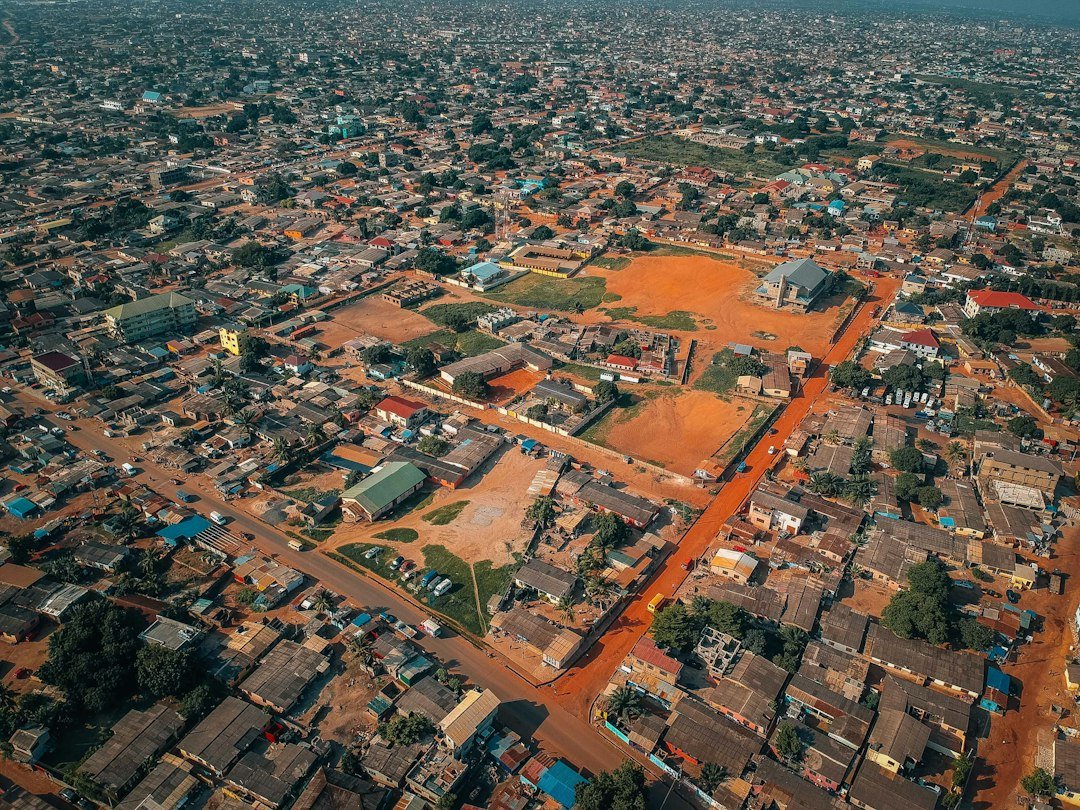
Image note: The accompanying photograph illustrates water infrastructure; it is not represented as a photograph of a specific project site in Tamale, Yendi or Damongo.













Leave a Reply