


The Jinijini–Sampa road project in the Bono Region is facing a practical challenge after contractors reported that the theft of gravel from sections of the construction corridor was slowing work. The Ghana News Agency reported on October 17 that Rango Construction Limited had appealed to residents in communities along the route to remain vigilant and help prevent the removal of construction materials.
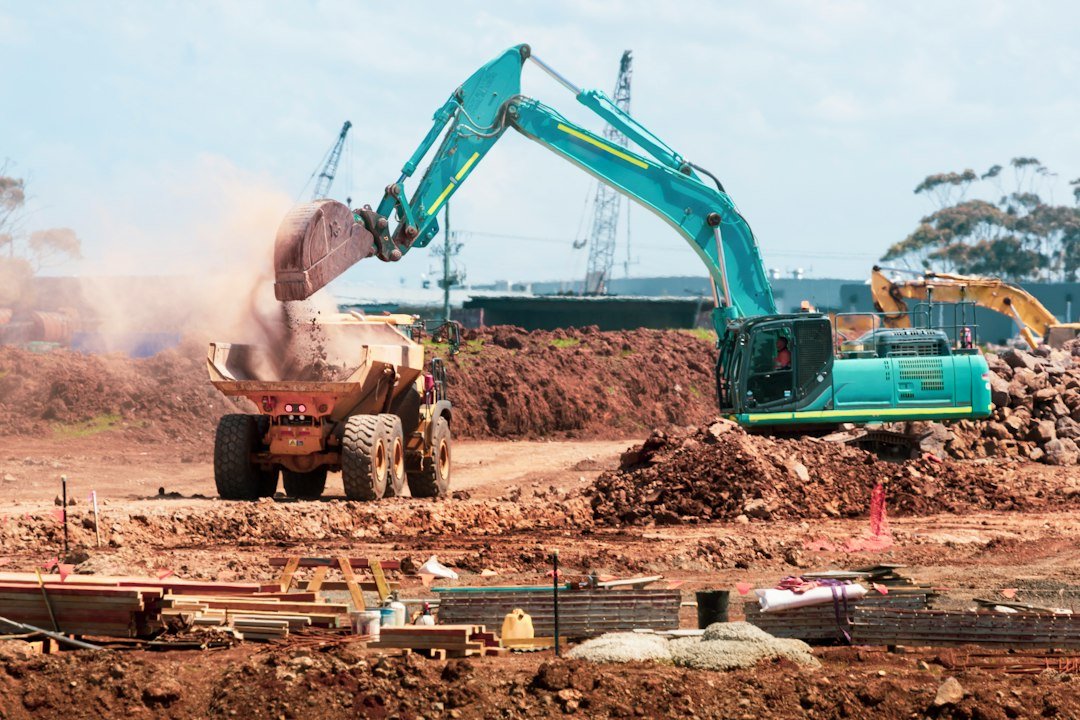
Image note: This is an illustrative rural-road photograph, not a photograph of the Jinijini–Sampa project site.
What has been reported?
According to the report, Felix Agyei, Public Relations Officer of Rango Construction Limited, said the theft of gravel at some sections was affecting the smooth execution of the road works. The project forms part of the Government’s Big Push infrastructure programme and is expected to improve movement along an important corridor in the Bono Region.
The contractor’s appeal focused on cooperation from residents and communities close to the works. Construction projects depend on materials being available at the right location and time. When gravel or other supplies are removed, contractors may have to replace materials, reorganise equipment and workers, or delay a planned stage of work. These disruptions can affect efficiency even when the underlying project continues.
The report said the project was expected to be completed by the end of 2028. That is the stated target reported by the contractor; it should not be read as a guarantee that every section will open on a particular date, because progress can depend on weather, engineering requirements, funding, right-of-way issues and other factors.
Why the road matters to communities
Roads connect people to markets, schools, health facilities, public services and jobs. In agricultural areas, road conditions can influence how quickly produce reaches buyers and how much farmers spend on transport. A route that is difficult to use can increase travel time, contribute to vehicle maintenance costs and make journeys less predictable, particularly during periods of heavy rain.
The Jinijini–Sampa corridor also has wider economic significance because the route links communities around Berekum West with Sampa, a border town near Côte d’Ivoire. Better transport links can support the movement of goods and people, although the benefits depend on reliable maintenance, safe driving conditions and connections to other roads.
For residents, the issue is therefore not simply whether construction equipment is on site. The quality and timing of the finished road can affect daily travel, farm-gate prices, local trade and access to services. Delays can postpone those potential benefits and prolong disruption around construction areas.
How material theft can affect a public project
Construction materials are part of a coordinated process. Gravel and aggregates may be needed for foundations, sub-base layers, drainage works or other road-building stages depending on the engineering design. Removing materials from an approved work area can disrupt planned quantities and create additional costs if the contractor must source or transport replacements.
It is important not to assume that every delay on a road project is caused by theft alone. Public infrastructure projects can face multiple challenges, and the available report specifically identifies material theft as one factor affecting progress. Readers should wait for official updates before drawing conclusions about the overall completion rate or the full financial impact.
What residents can do safely
Communities can support public infrastructure by reporting suspicious removal of construction materials through appropriate local authorities or police channels. Residents should not confront suspected offenders or put themselves at risk. If it is safe to do so, they can note the location and time of an incident and provide information to the relevant authorities.
Traditional leaders, assembly members, local businesses and residents can also help by sharing verified information about the project and discouraging the unauthorised removal of materials. Public cooperation is most effective when it supports lawful reporting rather than rumours, accusations on social media or vigilantism.
Motorists and pedestrians should follow temporary traffic signs, avoid entering active construction areas and take care around heavy machinery. Construction zones can change quickly, and a road section that appears quiet may still contain hazards, uneven surfaces or moving equipment.
Disability support announced at the same event
The Ghana News Agency report also noted that the Berekum West District Assembly presented working tools and equipment to 57 persons with disabilities at a ceremony in Jinijini. Forty-three beneficiaries received GH¢3,000 each, while others received support including fufu-pounding machines, deep freezers, and educational or health assistance.
The District Chief Executive, Collins Asomah, said the items were procured from the district’s share of the second-quarter disbursement of the District Assemblies Common Fund. He encouraged beneficiaries to use the assistance for its intended purpose to improve their livelihoods. The support is a separate development from the road construction issue, but both concern the role of local public resources in community development.
What to watch next
The most useful updates will include any official progress report on the construction schedule, steps taken to prevent further material theft, and information about road safety or temporary access changes. Residents should look for confirmed notices from the contractor, the district assembly and relevant government agencies.
The central issue is whether the project can proceed efficiently while communities remain safe and connected during construction. Protecting materials, reporting incidents responsibly and maintaining clear public communication can help reduce avoidable disruption.
Sources and further reading
Read the Ghana News Agency’s report on the Jinijini–Sampa road project. Ghana Gossips will continue to follow verified regional developments and community issues. Visit news.ghanagossips.org and our previous report on Ghana’s water-financing plans and community services.
Frequently asked questions
What is slowing the Jinijini–Sampa road project?
The contractor told the Ghana News Agency that gravel theft at some sections was affecting progress.
When is the road expected to be completed?
The contractor’s reported target is the end of 2028, subject to project progress and any later official updates.
How can residents help?
Residents can report suspected theft through lawful channels, avoid confronting suspects and follow safety guidance around active construction zones.















Leave a Reply