

Ghana’s economy grew by six per cent in 2025 and reached an estimated GH¢1.4 trillion, but the expansion has not created enough decent jobs for the working population, according to the Ghana Statistical Service (GSS). The finding highlights a central question for policymakers: how can stronger economic indicators translate into secure work, better incomes and wider opportunities?
The Ghana News Agency reported on October 31 that the figures were presented in the maiden Ghana in Numbers report. The report recorded improvements in several macroeconomic indicators, including inflation, the fiscal deficit and international reserves. Inflation fell from 23.8 per cent in December 2024 to 5.4 per cent in December 2025, while gross international reserves reached US$13.8 billion, equivalent to 5.7 months of import cover.
Growth is not the same as enough jobs
The GSS figures show that services accounted for 45.9 per cent of GDP growth in 2025, industry contributed 31.3 per cent and agriculture 22.8 per cent. These sector shares provide a useful picture of where economic activity is concentrated, but they do not automatically reveal whether new jobs are secure, productive or adequately paid.
The report identified 2.64 million business establishments in 2024, including enterprises operating in open spaces and mobile businesses. The number of establishments operating in buildings nearly tripled between 2014 and 2024, while the number of people employed by them only doubled. The gap suggests that the number of businesses has expanded faster than the jobs they provide.
Small firms dominate the business landscape
Nine out of every ten establishments employed between one and five people, according to the figures reported by GSS. Only 4,874 establishments had 100 or more workers, while just 7.7 per cent of businesses were formally registered. This points to the importance of policies that help micro and small businesses grow, keep proper records, access finance and move into the formal economy without facing unnecessary costs.
Formalisation should not be treated simply as a demand that small operators complete paperwork. It needs to be accompanied by practical benefits: affordable credit, reliable electricity, digital payment tools, business advisory services, predictable taxes and access to larger supply chains. If registration creates costs without improving productivity or market access, informal operators may have little incentive to make the transition.
Youth employment requires targeted action
The GSS report said labour force participation rose from 67.1 per cent in 2022 to 74.5 per cent in 2025, while the unemployment rate averaged 12.8 per cent during the first three quarters of 2025. It also highlighted nearly two million young people who were not in employment, education or training, with women accounting for more than 60 per cent of that group.
These figures underline the need for training that connects directly to available work. Technical and vocational education, apprenticeships, digital skills, agricultural value-chain jobs and support for young entrepreneurs can all contribute, but programmes should be measured by job placement, business survival and income improvements rather than enrolment numbers alone.
What could make growth more inclusive?
Government Statistician Dr Alhassan Iddrisu urged policymakers to make growth more employment-intensive, formalise more businesses and improve access to private-sector credit. The report put private-sector credit at 7.4 per cent of GDP and called for region-specific employment policies. This matters because the barriers facing a young entrepreneur in a rural district may differ from those facing a manufacturer in Greater Accra.
For businesses, the message is to look beyond headline growth and focus on productivity, skills and expansion. For government, it is to ensure that infrastructure and economic reforms connect to sectors capable of absorbing workers. For jobseekers, the figures reinforce the value of practical skills, credible apprenticeships and reliable information about opportunities.
Ghana’s economic expansion is an important foundation. The next measure of success will be whether that growth creates more decent jobs, supports sustainable businesses and reaches communities that have not yet benefited fully from the recovery.
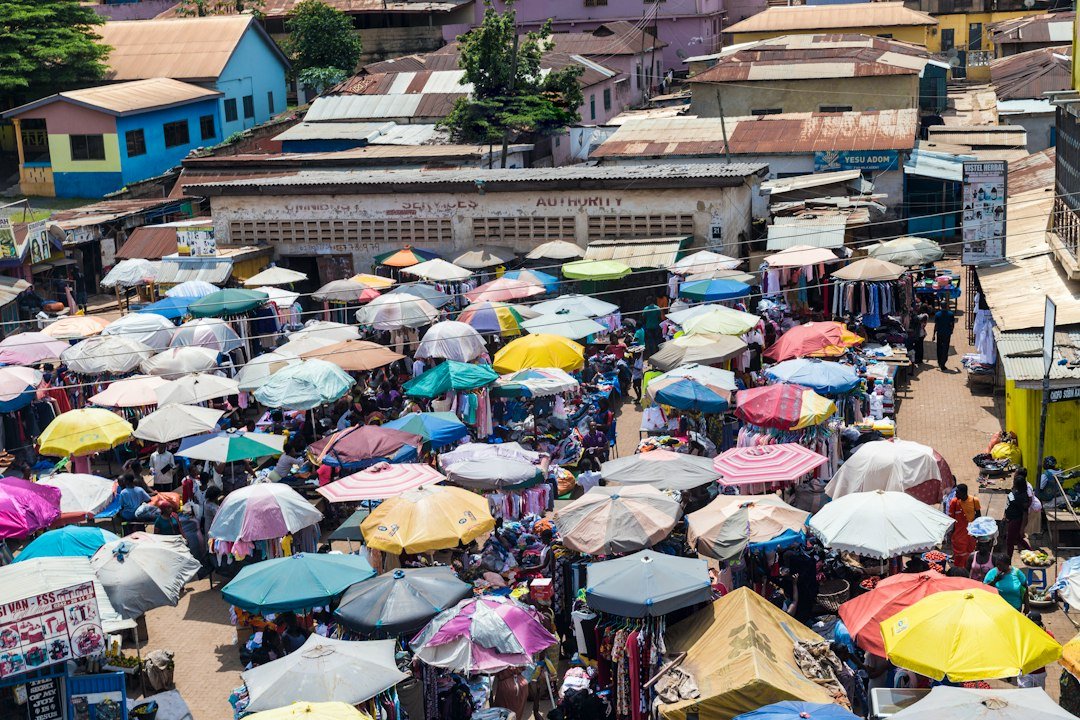
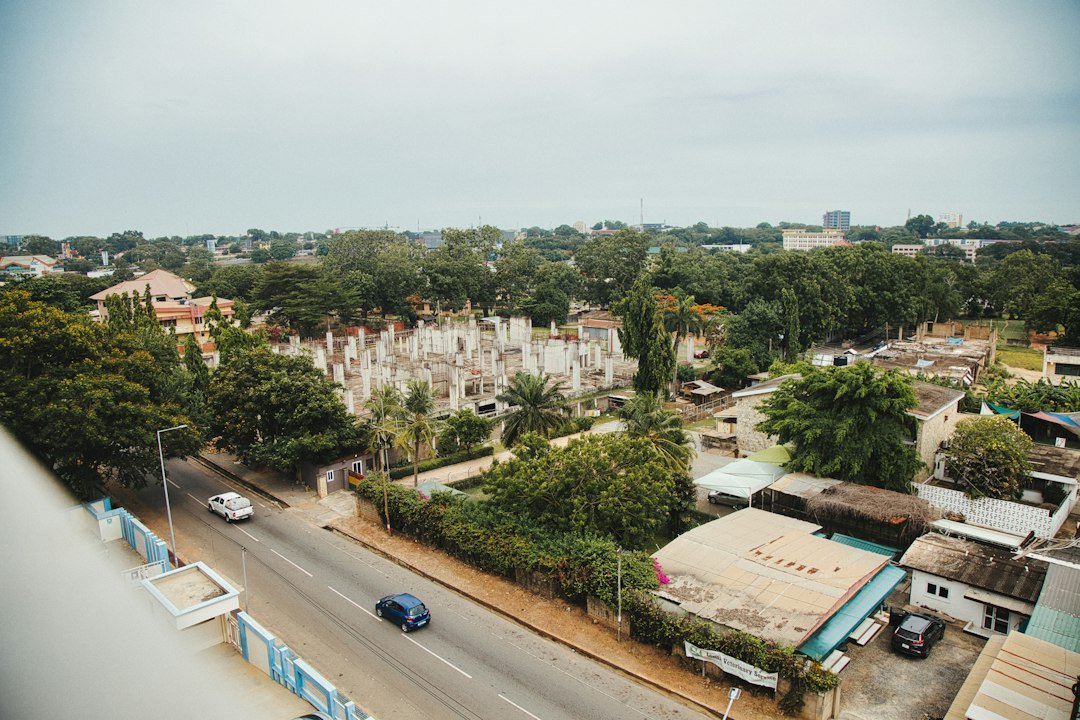
Image note: Illustrative market photograph, not a photograph from the GSS report. Photo credit: Pius Quainoo/Unsplash.
Sources: Ghana News Agency – Ghana’s economy grows to GH¢1.4 trillion but fails to create decent jobs; Ghana News Agency.
Related: Latest Ghana news | Business news | Trending stories





















Leave a Reply